

Amazon Return Pallets for Sale: Best Beginner Categories

Looking for Amazon return pallets for sale? The category you choose matters more than the price you pay.
A $300 home goods pallet can outperform a $1,000 electronics pallet if you know what you're doing. The difference comes down to sellability, testing requirements, and realistic profit margins for each category.
This guide breaks down every major liquidation category—what's inside, expected profits, hidden risks, and whether beginners should touch it.
For a complete overview of how liquidation works and where to buy, see our Amazon liquidation guide.
Category Comparison Overview
| Category | Beginner Rating | Typical Pallet Cost | Sellable Rate | Profit Margin | Testing Needed |
|---|---|---|---|---|---|
| Home & Kitchen | ⭐⭐⭐⭐⭐ | $200-600 | 70-85% | 40-60% | Low |
| Toys & Games | ⭐⭐⭐⭐ | $300-800 | 65-80% | 40-55% | Low |
| Clothing & Apparel | ⭐⭐⭐⭐ | $100-400 | 75-90% | 50% | High |
| Health & Beauty | ⭐ | $150-400 | 40-60% | 20-40% | Medium |
| Large Appliances | ⭐ | $400-1,200 | 40-60% | 20-35% | High |
Best Categories for Beginners
1. Home & Kitchen — The Safest Start
Home & Kitchen is the gold standard for liquidation beginners. Here's why:
What's typically inside: - Cookware (pots, pans, bakeware) - Kitchen gadgets and utensils - S, Facebook Marketplace, local sales all work
Realistic numbers:
| Metric | Typical Range |
|---|---|
| Pallet cost | $200-600 |
| Manifest retail value | $1,000-3,000 |
| Sellable percentage | 70-85% |
| Average recovery rate | 35-45% of retail |
| Expected profit | $150-400 per pallet |
Watch out for: - Bulky items (high shipping costs) - Glass/ceramic (breakage during shipping) - Missing lids or parts - Off-brand items with no resale demand
Best selling platforms: Facebook Marketplace (local, no shipping), eBay (nationwide)
2. Toys & Games — High Demand, Seasonal Boost
Toys perform well year-round but explode during Q4. If you time it right, this category prints money.
What's typically inside: - Action figures and dolls - Board games and puzzles - Building sets (LEGO, Mega Bloks) - Outdoor toys - Educational toys
Why it works: - Brand recognition — Parents search for specific toys - Gift market — People pay retail for gifts - Collectibles — Some toys appreciate in value - Easy condition grading — Sealed vs. opened is obvious
Realistic numbers:
| Metric | Typical Range |
|---|---|
| Pallet cost | $300-800 |
| Manifest retail value | age recovery rate |
| Expected profit | $150-500 per pallet |
Watch out for: - Missing pieces (board games, building sets) - Battery corrosion - Seasonal timing — Don't buy toys in January - Safety recalls — Check CPSC database
Best selling platforms: eBay (collectors), Facebook Marketplace (local parents), Amazon (if like-new)
Pro tip: LEGO holds value exceptionally well. Even opened sets with all pieces sell for 60-80% of retail.
3. Clothing & Apparel — Highest Margins, Most Work
Clothing offers the best profit margins but requires the most effort per item.
What's typically inside: - Branded clothing (Nike, Adidas, etc.) - Fast fashion returns - Shoes and accessories - Seasonal items
Why it works: - Highest margins — 50-70% is achievable - No testing — Just check for stains and damage - Lightweight — Cheap to ship - Broad market — Everyone wears clothes
Realistic numbers:
| Metric | Typical Range |
|---|---|
| Pallet cost | $100-400 |
| Manifest retail value | $800-2,500 |
| Sellable percentage | 75-90% |
| Average recovery rate | 25-35% of retail |
| Expected profit | $100-400 per pallet |
Watch out for: - Stains and odors (common in returns) - Wrong sizes in manifest - Fast fashion with no resale value - Seasonal mismatch (winter coats in summer)
Best selling platforms: Poshmark, Mercari, eBay, Facebook Marketplace
The catch: You're selling $5-20 items individually. To make real money, you need volume and efficiency. One pallet might have 200+ items to photograph, list, and ship.
4. Books & Media — Lowest Risk, Lowest Reward
Books are the safest entry point but won't make you rich.
What's typically inside: - Textbooks - Novels and non-fiction - DVDs and Blu-rays - Video games
Why it works: - Cheapest pallets — Often under $200 - No testing — Books don't break - Easy to ship — Media mail is cheap - Established pricing — Easy to look up values
Realistic numbers:
| Metric | Typical Range |
|---|---|
| Pallet cost | $100-300 |
| Manifest retail value | $500-1,500 |
| Sellable percentage | 80-90% |
| Average recovery rate | 20-30% of retail |
| Expected profit | $50-200 per pallet |
Watch out for: - Outdated textbooks (worthless) - Water damage - DVD/game discs with scratches - Low-value novels (often worth $0.50-1)
Best selling platforms: Amazon (for books with ISBN), eBay (for collectibles)
Intermediate Categories
5. Tools & Hardware
Good margins but requires product knowledge.
What's typically inside: - Power tools - Hand tools - Hardware and fasteners - Automotive tools
Pros: - Strong resale demand - Durable products - Brand loyalty (DeWalt, Milwaukee)
Cons: - Need to test power tools - Heavy items (shipping costs) - Missing batteries/chargers common
Beginner verdict: Wait until you have experience. Wrong category for your first pallet.
6. Sports & Outdoors
Seasonal but solid if timed correctly.
What's typically inside: - Fitness equipment - Camping gear - Sports accessories - Outdoor furniture
Pros: - Seasonal demand spikes - Durable goods - ng works well
Cons: - Bulky items - Seasonal timing critical - Storage intensive
**Beginner verdicr
7. Electronics — High Risk, High Skill
Electronics looks attractive but destroys beginners.
What's typically inside: - Phones and tablets - Laptops and computers - Audio equipment - Smart home devices
Why beginners fail: - High testing requirements — Need equipment and expertise - Rapid depreciation — Tech loses value fast - Return rate — Electronics are returned for actual defects - Capital intensive — Pallets cost $500-2,000+ - Platform restrictions — Amazon limits used electronics
Realistic numbers:
| Metric | Typical Range |
|---|---|
| Pallet cost | $500-2,000 |
| Manifest retail value | $2,000-8,000 |
| Sellable percentage | 50-70% |
| Average recovery rate | 20-35% of retail |
| Expected profit | $0-500 (highly variable) |
The variance ixpertise, you're gambling.
When to consider: Only after you've proc10+ pallets in other categories AND have electronics repair/testing skills.
8. Small Appliances
Similar problems to electronics but with more bulk.
What's typically inside: - Coffee makers - Blenders and mixers - Vacuums - Air fryers
Problems: - High defect rates in returns - Testing required for each unit - Bulky storage and shipping - Missing parts common
Beginner verdict: Avoid. The testing burden isn't worth it.
9. Health & Beauty
Looks easy but has hidden complications.
What's typically inside: - Skincare products - Makeup - Hair tools - Supplements
Problems: - Expiration dates — Can't sell expired products - Opened products — Hygiene concerns kill resale - Platform restrictions — Amazon heavily restricts this category - Authenticity concerns — Buyers worry about fakes
Beginner verdict: Hard pass. Too many ways to lose money.
10. Large Appliances
The money pit of liquidation.
What's typically inside: - Refrigerators - Washchines - Dishwashers - HVAC units
Problems: - Astronomical shipping costs ($200-500 per item) - High damage rates - Storage nightmares - Limited buyer pool - Testing requires installation
Beginner verdict: Never. Even experienced liquidators avoid this.
How to Evaluate Any Category
Before bidding on a pallet, run through this checklist:
1. Check Your Knowledge
- Do you know retail prices for items in this category?
- Can you spot defects and condition issues?
- Do you know which brands hold value?
If no to any of these, skip the category or research first.
2. Calculate True Costs
Total Cost = Pallet Price + Buyer's Premium (15%) + Shipping + Storage + Labor
3. Estimate Recovery
Expected Revenue = Manifest Retail × Sellable % × Recovery Rate

Example:
$2,000 manifest × 75% sellable × 35% recovery = $525 expected revenue
4. Check Selling Channels
- Can you sell these items on your preferred platform?
- Are there category restrictions?
- What are the fees?
5. Consider Time Investment
Low-value, high-volume categories (clothing, books) require more time per dollar earned than higher-value categories (home goods, toys).
Building a Category Strategy
Phase 1: First 3 Pallets
Stick to one category: Home & Kitchen or Toys
Goals: - Learn the sorting process - Understand your local markn- Build listing efficiency - Track actual vs. expected profits
Phase 2: Pallets 4-10
Add a second category that complements your first: - Home & Kitchen → Add Tools or Sports - Toys → Add Books or Clothing
Goals: - Compare category performance - Identify your strengths - Build capital for larger buys
Phase 3: Pallets 10+
Specialize or diversify: - Double down on your most profitable category - Or build a multi-category operation
Consider electronics only if you have: - Testing equipment and skills - Higher risk tolerance - Established selling channels
Scale Your Research with Nexscope
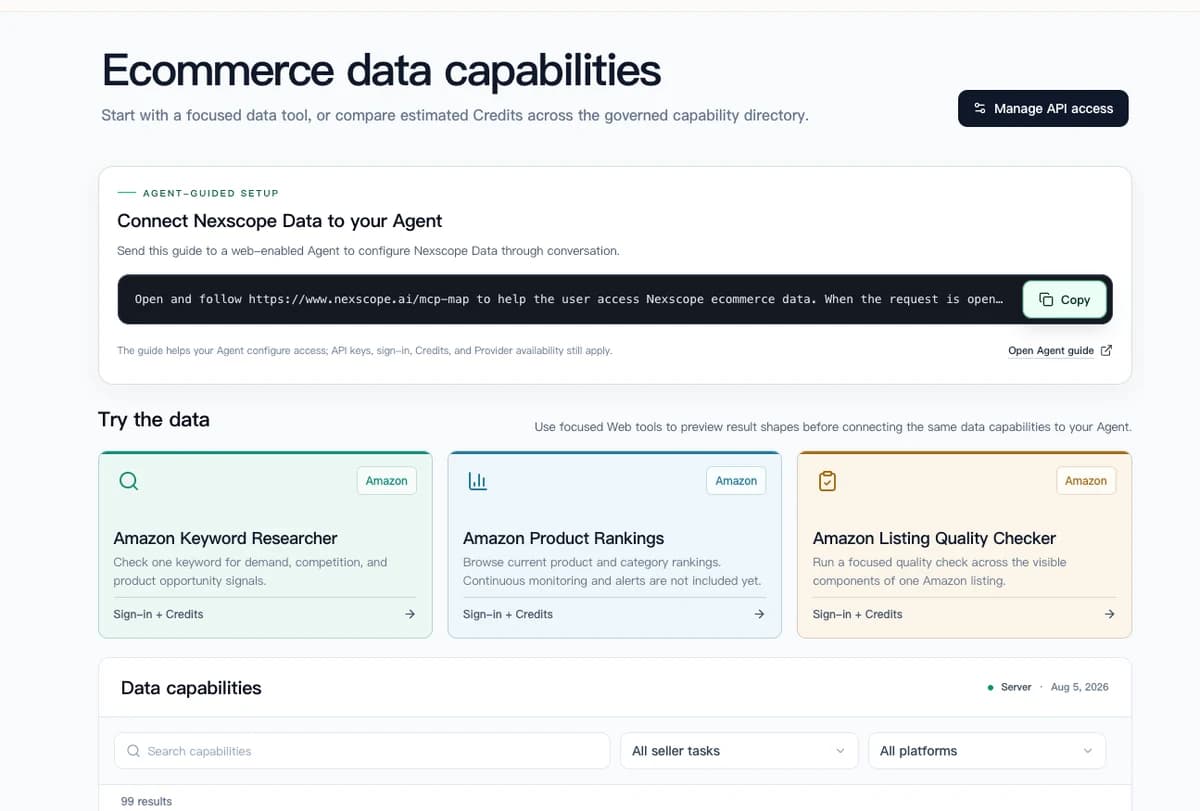
Found a pallet with unfamiliar products? Nexscope helps you research whether items are worth buying and at what price.
Core Tools:
- Product Research — Check what products actually sell for (not just list price)
- Competitor Research — See market saturation before committing
- Review Analysis — Understand why products get returned
- Keyword Research — Find demand signals for niche products
Creative Tools:
- AI Image Generation — Create product photos for listings
- AI Video Generation — Generate product videos for social selling
Data Sources: Real-time data from Amazon, TikTok Shop, Shopify, eBay, Walmart, Temu, Google Trends, and more.
Connect Ecommerce Data to Your Agent
Use Nexscope through API, MCP, or Skills, or open a ready seller workflow.
Explore Ecommerce Data →1,000 free credits • API, MCP & Skills
FAQ
What is the best Amazon liquidation category for beginners?
Home & Kitchen is the safest starting point. It has easy condition assessment, no testing requirements, broad resale markets, and forgiving profit margins. Toys & Games is a close second, especially if you buy in Q3-Q4 for holiday demand.
Are electronics pallets worth it?
For beginners, no. Electronics have high defect rates, require testing equipment, depreciate rapidly, and have inconsistent returns. Only consider electronics after 10+ pallets in other categories and if you have repair or testing expertise.
How much profit can you make per pallet?
Realistic profits vary by category: Home & Kitchen averages $150-400 per pallet, Toys $150-500, Clothing $100-400, Books $50-200. Electronics are highly variable—anywhere from losing $400 to profiting $800 depending on luck and skill.
Which categories have the highest profit margins?
Clothing and apparel offer the highest margins (50-70%) but require the most work per item. Home & Kitchen offers the best balance of margins (40-60%) and effort. Electronics can have high margins but also the highest loss rates.
Should I avoid any categories completely?
Beginners should avoid: Large Appliances (shipping nightmares), Health & Beauty (expiration and platform restrictions), and Electronics (high testing requirements). These categories have failure modes that aren't obvious until you've lost money.
How do I know if a category is right for me?
Ask yourself: Do you know retail prices for items in this category? Can you spot defects? Do you know which brands hold value? If you answered no to any of these, either research extensively first or choose a different category.
Sources
- B-Stock Solutions. (2026). Liquidation Market Trends Report. Retrieved from bstock.com
- Liquidation.com. (2026). Category Performance Data. Retrieved from liquidation.com
- eBay. (2026). Seller Hub Analytics - Category Benchmarks. Retrieved from ebay.com