

SHEIN vs Temu: Platform Comparison for Buyers and Sellers

SHEIN vs Temu is one of the most common comparison searches in ecommerce because the two platforms look similar at first glance. Both are known for low prices, mobile-first shopping, frequent promotions, and a massive catalog of affordable products.
The platforms are not the same. SHEIN is still strongly associated with fashion, outfit discovery, beauty, accessories, and trend-led shopping. Temu is broader, more price-driven, and built around a marketplace experience where shoppers browse everything from home goods and gadgets to apparel and pet supplies. For buyers, the right choice depends on what is being purchased. For sellers, the better platform depends on category fit, margin tolerance, fulfillment readiness, brand goals, and risk.
This guide compares SHEIN vs Temu from both sides of the marketplace: what buyers should expect, what sellers should consider, and when another ecommerce channel may be a better fit.
SHEIN vs Temu at a Glance
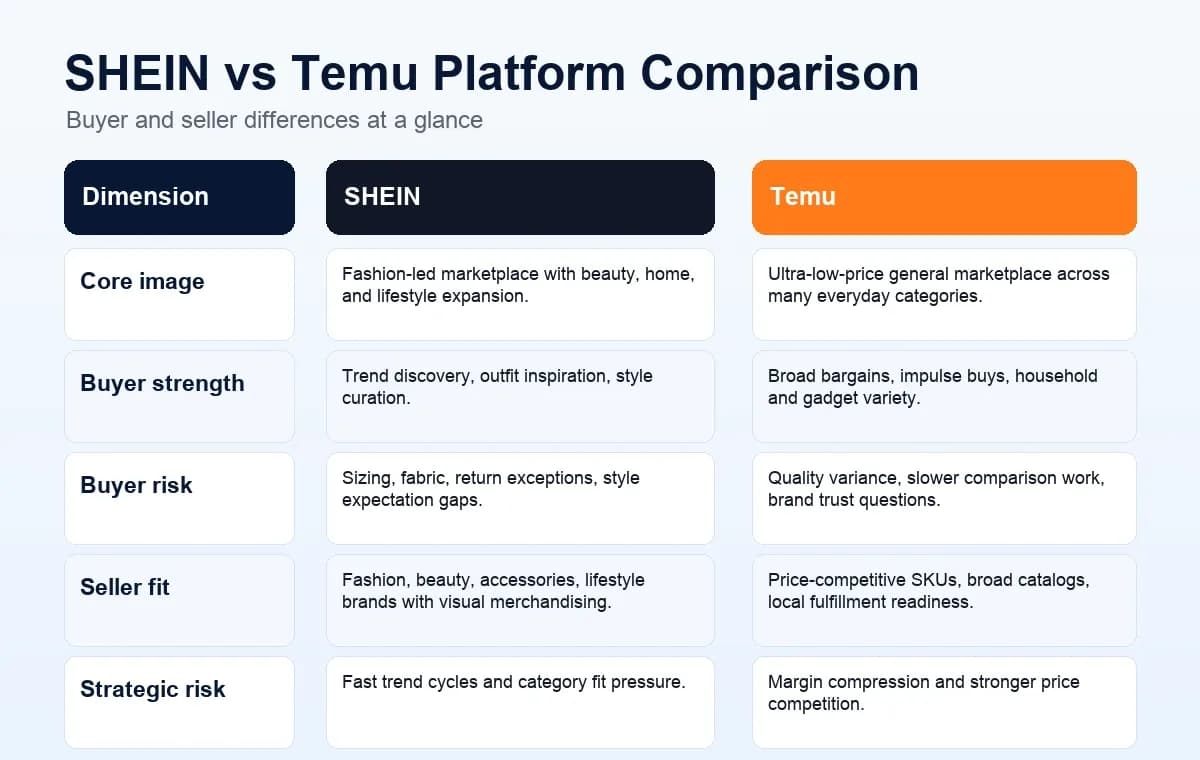
The shortest version: SHEIN is stronger for fashion-led discovery, while Temu is stronger for broad low-price marketplace browsing.
For buyers, SHEIN usually makes more sense when the purchase is style-driven. That includes clothing, outfits, beauty, jewelry, accessories, shoes, bags, and seasonal fashion. The platform experience is built around trends, collections, looks, and visual shopping.
Temu usually makes more sense when the buyer wants a wide variety of inexpensive products across categories. The platform is known for aggressive pricing, coupons, flash deals, and general marketplace discovery. It can be useful for household items, small gadgets, organization products, craft supplies, pet accessories, and other low-consideration purchases.
For sellers, the difference is more strategic. SHEIN is a better fit for products that benefit from styling, category curation, and visual presentation. Temu is a better fit for sellers that can survive strong price pressure, manage broad-catalog competition, and support the platform's fulfillment and operational expectations.
What Is SHEIN?
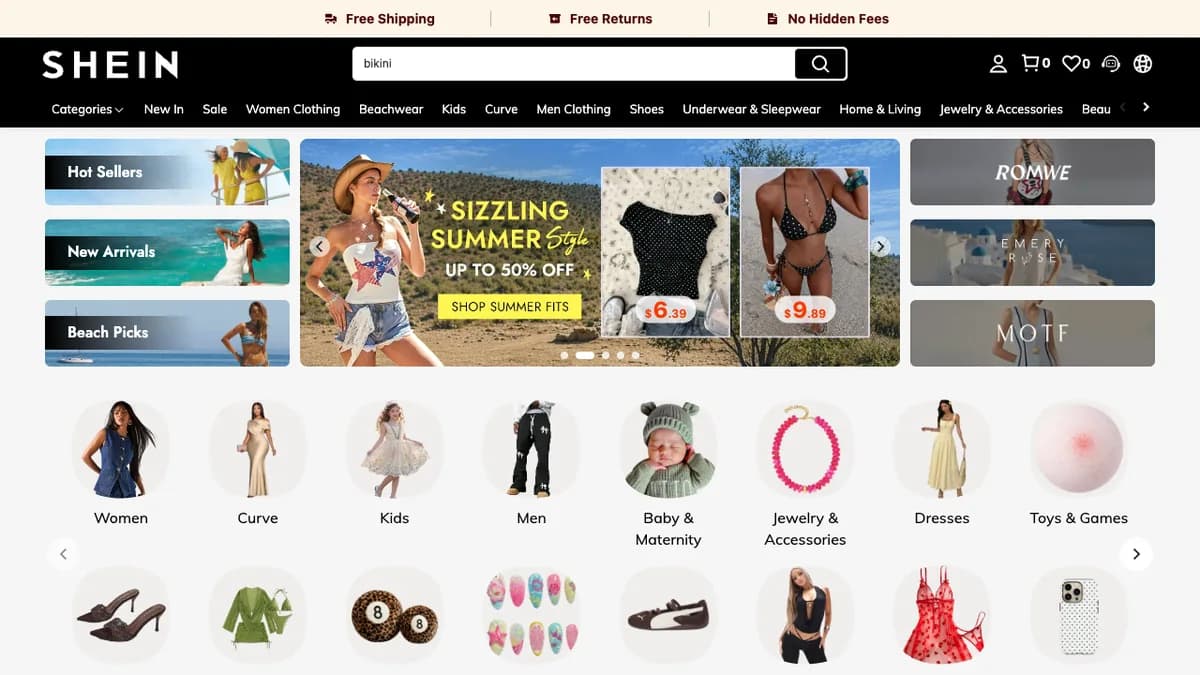
SHEIN is a global online shopping platform best known for fast fashion and trend-led product discovery. It has expanded into categories such as beauty, home, lifestyle, accessories, electronics, toys, and pet supplies, but the brand's strongest consumer association remains style and fashion.
SHEIN for buyers
For buyers, SHEIN is usually a fashion-first destination. Shoppers often use it to browse outfits, seasonal styles, occasion looks, accessories, and low-priced wardrobe updates. The platform experience encourages visual discovery instead of direct search only.
That makes SHEIN useful when the buyer has a style goal rather than a fixed product specification. A shopper may start with "summer wedding guest dress," "workout set," or "vacation outfits" and browse multiple visual options before choosing.
The main buyer risks are sizing uncertainty, fabric expectations, product photos that may look better than the delivered item, and return rules that vary by item type or region. Buyers should read size charts, fabric details, review photos, and return eligibility before ordering multiple items.
SHEIN for sellers
SHEIN Marketplace gives sellers access to a fashion-oriented audience and a Seller Hub for managing store operations. Public seller pages describe tools for listing, promotion, order management, payments, inventory, customer insights, and store presentation.
SHEIN is likely more relevant for brands and merchants that already understand visual merchandising. Product photography, model shots, trend timing, sizing, seasonal drops, and category fit matter. Sellers in apparel, accessories, beauty, lifestyle, home decor, and adjacent categories may find more natural audience alignment than sellers with purely functional products.
The challenge is speed. Trend cycles move quickly, and the platform's audience expects fresh assortment, attractive visuals, competitive pricing, and a shopping experience that feels current.
What Is Temu?
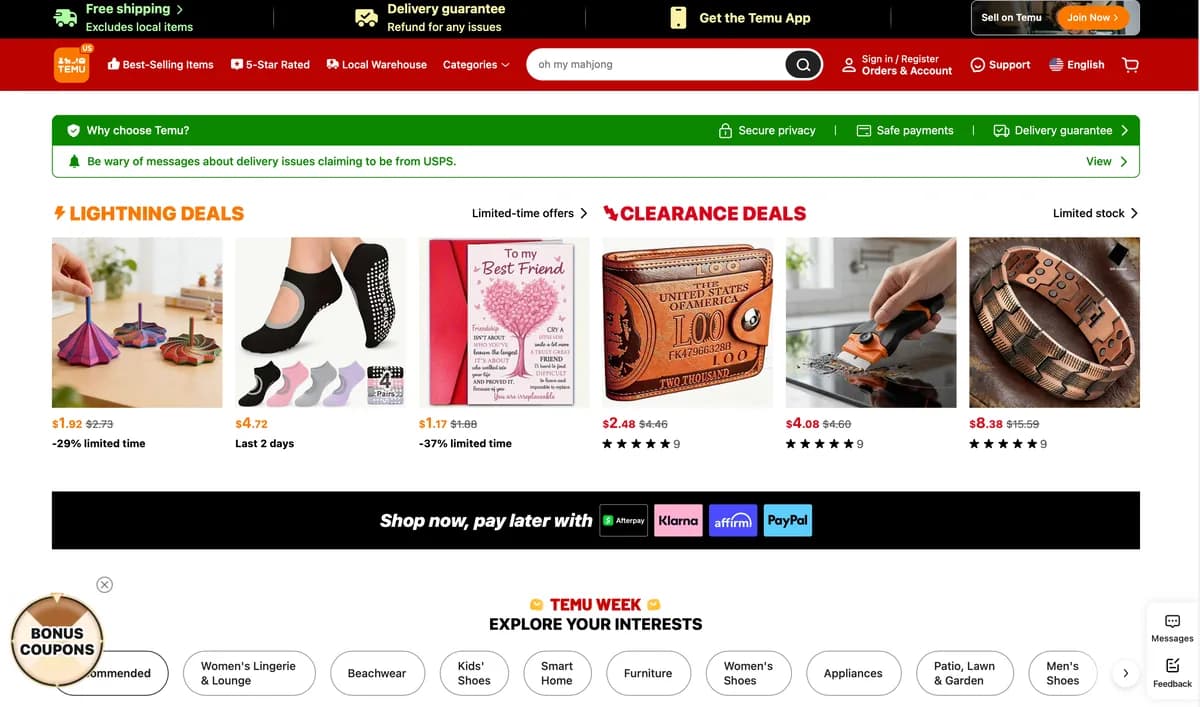
Temu is a broad online marketplace owned by PDD Holdings. It became known for extremely low prices, heavy promotions, and a large assortment across many categories. Unlike SHEIN's fashion-led image, Temu feels closer to a general discount marketplace.
Temu for buyers
For buyers, Temu is often attractive when price matters most. The platform promotes discounts, coupons, bundles, and cross-category discovery. A shopper may go to Temu for phone accessories, home organization products, kitchen tools, small electronics, craft items, pet supplies, toys, seasonal decorations, or basic apparel.
Temu can be useful for low-risk items where exact brand, premium materials, or long-term durability are less important. It is less ideal when the buyer needs tight quality control, precise fit, premium product standards, or a trusted brand relationship.
The main buyer discipline on Temu is comparison. Shoppers should compare product photos, review patterns, delivery estimates, return terms, and seller signals before treating a low price as the only decision factor.
Temu for sellers
Temu Seller Center is the platform's merchant portal. Public seller pages emphasize account creation, low-cost setup, store operations, marketing support, Seller Academy resources, and seller support. Temu's marketplace positioning is especially attractive to sellers that want access to high traffic and are prepared for price-sensitive competition.
Temu may fit sellers with strong cost control, efficient operations, broad product catalogs, and fulfillment readiness. It can also be interesting for sellers that already have proven products and want to test another high-traffic marketplace channel.
The biggest seller challenge is margin pressure. Temu's consumer promise is built around value. Sellers that rely on premium positioning, high average order value, or brand storytelling may need to be careful about whether Temu supports the kind of customer relationship they want.
SHEIN vs Temu: Key Differences
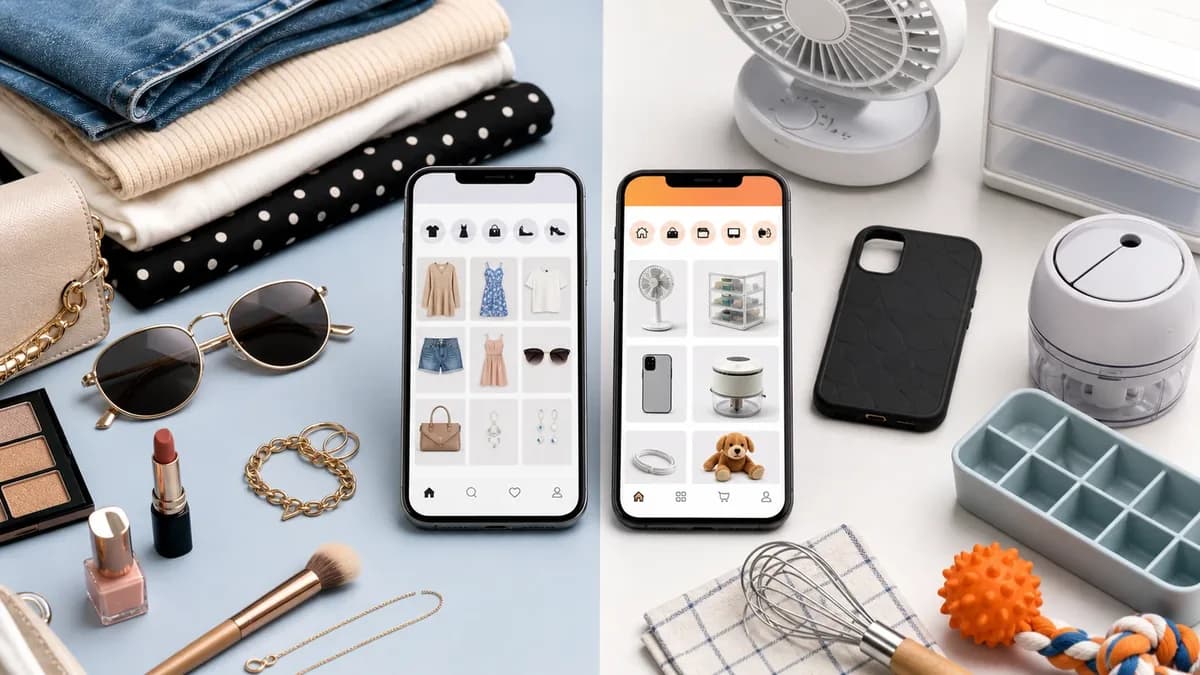
SHEIN and Temu are both low-price ecommerce platforms, but they compete from different angles. The important differences show up in category focus, pricing, shipping expectations, quality perception, seller access, and brand positioning.
Product categories
SHEIN is strongest in fashion, beauty, accessories, and style-adjacent products. It has other categories, but many buyers still think of it as a fashion and trend platform first.
Temu is broader. It covers a wider general marketplace mix, including home goods, electronics accessories, gadgets, kitchen products, toys, pet supplies, tools, crafts, apparel, beauty, and more. That breadth makes Temu feel less curated and more like a bargain marketplace.
For sellers, category fit matters more than platform hype. A fashion accessory brand may have a stronger native fit on SHEIN. A low-cost home organizer or gadget seller may find Temu's browsing behavior more relevant.
Pricing model
Both platforms compete heavily on price, but Temu is usually more associated with ultra-low-cost browsing. Buyers often expect aggressive discounts and very low entry prices.
SHEIN is also affordable, but its price perception is tied more closely to style, trend access, and outfit building. A SHEIN buyer may accept a slightly higher price if the product looks better, fits a trend, or completes an outfit.
For sellers, this means Temu may create more direct price pressure. SHEIN may allow more room for visual differentiation, but only if the product truly fits the platform's audience.
Shipping and delivery
Shipping experiences vary by product, seller, region, warehouse model, and promotional program. Buyers should treat delivery time as an item-level detail, not a platform-wide guarantee.
SHEIN buyers should check estimated delivery windows, return terms, and item eligibility before ordering for an event or deadline. Temu buyers should pay attention to whether an item is local, how delivery is estimated, and whether the price is still attractive after any applicable fees or charges.
For sellers, fulfillment is a strategic issue. A seller that cannot meet shipping expectations, maintain inventory accuracy, or handle returns cleanly should not treat either platform as a simple extra sales channel.
Product quality and returns
Quality can vary on both platforms because both involve large catalogs and many product types. The buyer experience depends heavily on item type, materials, sizing, seller operations, reviews, and whether the product is simple or complex.
SHEIN quality risk often appears in sizing, fabric feel, stitching, color accuracy, and whether the item matches the styling shown in images. Temu quality risk often appears in product durability, materials, electronics expectations, packaging, and whether the item is as functional as the listing suggests.
For buyers, reviews with photos are more useful than star ratings alone. For sellers, quality control matters because low prices do not protect a product from bad reviews, refunds, or platform penalties.
Seller access and marketplace structure
SHEIN Marketplace publicly promotes seller tools for inventory, orders, customer insights, promotion, store decoration, and payments. This makes it more open to marketplace sellers than many shoppers realize, but it is still most naturally aligned with categories that fit the SHEIN audience.
Temu Seller Center publicly promotes low-cost setup, store operations, marketing services, Seller Academy, and support. It also positions itself as a way for sellers to reach high traffic and grow through the marketplace.
Seller access can still depend on country, business type, category, documentation, and platform approval. Before planning around either platform, sellers should verify current registration requirements in their own market.
Branding and marketplace positioning
SHEIN has a more defined consumer identity. It is associated with fashion, trends, outfits, and style-led shopping. This can help sellers whose products benefit from visual context.
Temu has a broader bargain identity. Its strength is wide selection, low prices, and discovery across categories. This can help sellers with simple, useful, low-cost products, but it can also make brand differentiation harder.
For sellers building long-term brand equity, a marketplace should not be judged only by traffic. It should be judged by how customers discover products, how much control sellers have over presentation, and whether the platform attracts the right repeat buyers.
SHEIN Pros and Cons
SHEIN is not simply "better" or "worse" than Temu. It is better for specific buyer needs and seller profiles.
Pros for buyers
- Strong fashion discovery: SHEIN is easier to browse for outfits, seasonal looks, accessories, and style-led purchases.
- Wide visual catalog: Product imagery, styling, and category pages make it easier to compare looks.
- Affordable trend access: Buyers can test new styles without paying premium fashion prices.
- Useful review photos: In fashion categories, review photos can help shoppers judge fit and fabric more realistically.
Cons for buyers
- Sizing can be inconsistent: Buyers need to check measurements, not only size labels.
- Material expectations vary: Photos may communicate style better than fabric quality.
- Returns require attention: Some item types, regions, or promotions may have different return rules.
- Trend-led buying can create over-ordering: Low prices can encourage purchases that are not actually needed.
Pros for sellers
- Clear audience fit for style categories: Fashion, beauty, accessories, lifestyle, and visual products can feel native to the platform.
- Seller Hub tools: Public seller pages highlight listing, inventory, order, promotion, store, and customer insight tools.
- Visual merchandising opportunity: Sellers with strong images and trend timing may stand out better than on a purely price-led platform.
Cons for sellers
- Trend speed is demanding: Product cycles, creative refreshes, and seasonal timing matter.
- Category fit is narrower than Temu: Products outside SHEIN's strongest audience may not perform as naturally.
- Quality and sizing issues can hurt reviews: Apparel and accessory categories create return and expectation risk.
- Brand control may be limited: Marketplace presentation is still shaped by platform rules and customer expectations.
Temu Pros and Cons
Temu is powerful because it makes discovery cheap and broad. That same strength creates risks for buyers and sellers.
Pros for buyers
- Very broad catalog: Temu covers many everyday categories, from home goods to gadgets.
- Low-price discovery: The platform is useful for small, low-risk purchases where price matters.
- Frequent promotions: Coupons and discounts can make basket building feel attractive.
- Good for comparison shopping: Buyers can scan many similar products quickly.
Cons for buyers
- Quality can vary widely: Low prices can come with durability, material, or performance tradeoffs.
- Brand trust is weaker: Many products are not tied to brands shoppers already know.
- Listings require careful reading: Photos, dimensions, materials, and reviews need closer attention.
- Impulse buying is easy: Discounts can make low-value purchases feel more useful than they are.
Pros for sellers
- Broad category reach: Temu can fit many general merchandise categories.
- High price-sensitive traffic: Sellers with competitive costs may gain exposure to bargain-focused shoppers.
- Seller Center resources: Public pages promote account setup, operations, marketing support, and learning resources.
- Potential extra channel: Sellers with proven products may test Temu as an additional marketplace if pricing and fulfillment still work.
Cons for sellers
- Margin pressure is high: Competing on Temu often means accepting aggressive pricing expectations.
- Brand differentiation can be harder: Bargain browsing may reduce attention to brand story and premium positioning.
- Operational readiness matters: Inventory, fulfillment, returns, and customer service must be reliable.
- Policy and trade changes can affect economics: Tariffs, import rules, local warehouse requirements, and compliance expectations may change the cost structure.
SHEIN vs Temu for Buyers: Which Is Better?
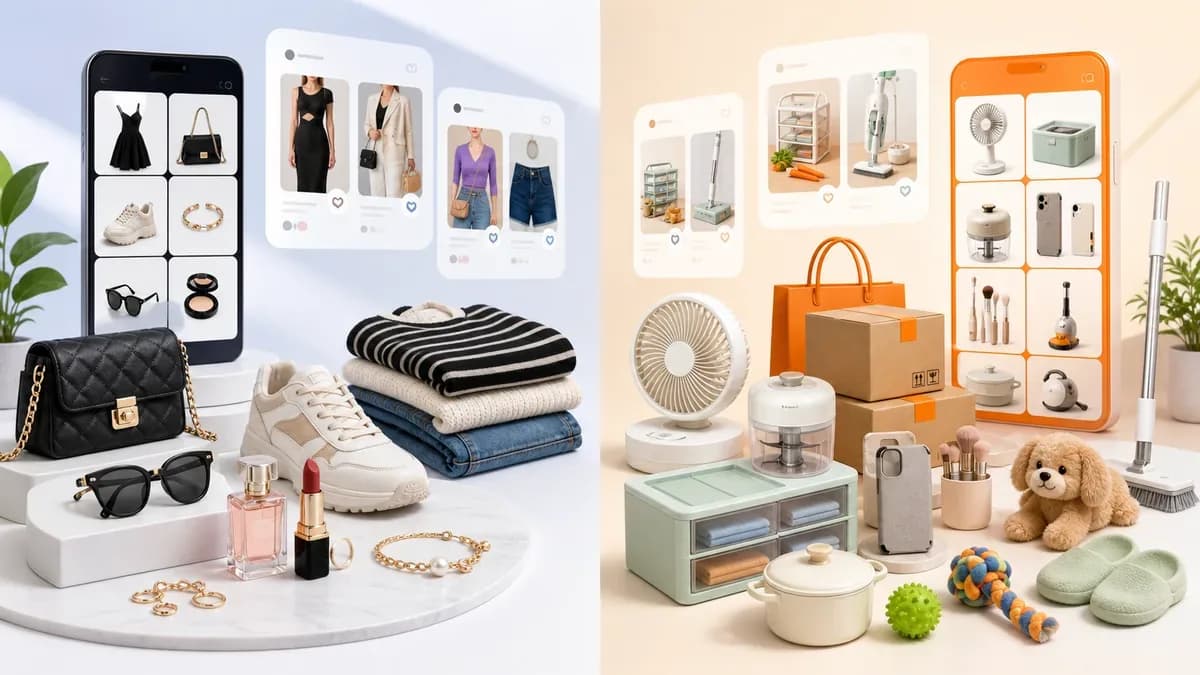
The better platform depends on the purchase goal. A buyer looking for a specific fashion look should not use the same decision criteria as a buyer looking for a cheap phone stand or drawer organizer.
Choose SHEIN if
SHEIN is usually the better choice when the purchase is visual, style-based, or outfit-driven.
Choose SHEIN when:
- The product is clothing, shoes, bags, jewelry, beauty, or accessories.
- The buyer wants outfit inspiration or trend discovery.
- Product photos and review photos matter more than technical specifications.
- The buyer is willing to check sizing, fabric, and return eligibility carefully.
- The product is tied to a season, occasion, or style mood.
SHEIN can also be useful for fashion-adjacent lifestyle products where presentation matters. The platform's stronger style identity helps buyers browse by look, not only by price.
Choose Temu if
Temu is usually the better choice when the buyer wants broad variety and low prices across many practical categories.
Choose Temu when:
- The product is a low-risk household item, gadget, craft supply, pet accessory, toy, or small utility product.
- The buyer wants to compare many similar listings quickly.
- Brand name is not important.
- The buyer is comfortable checking reviews, dimensions, and delivery estimates.
- The main goal is price discovery rather than style curation.
Temu can be attractive for simple products, but it requires discipline. The lowest price is not always the best value if quality, size, material, or delivery expectations are unclear.
SHEIN vs Temu for Sellers: Which Platform Fits Better?
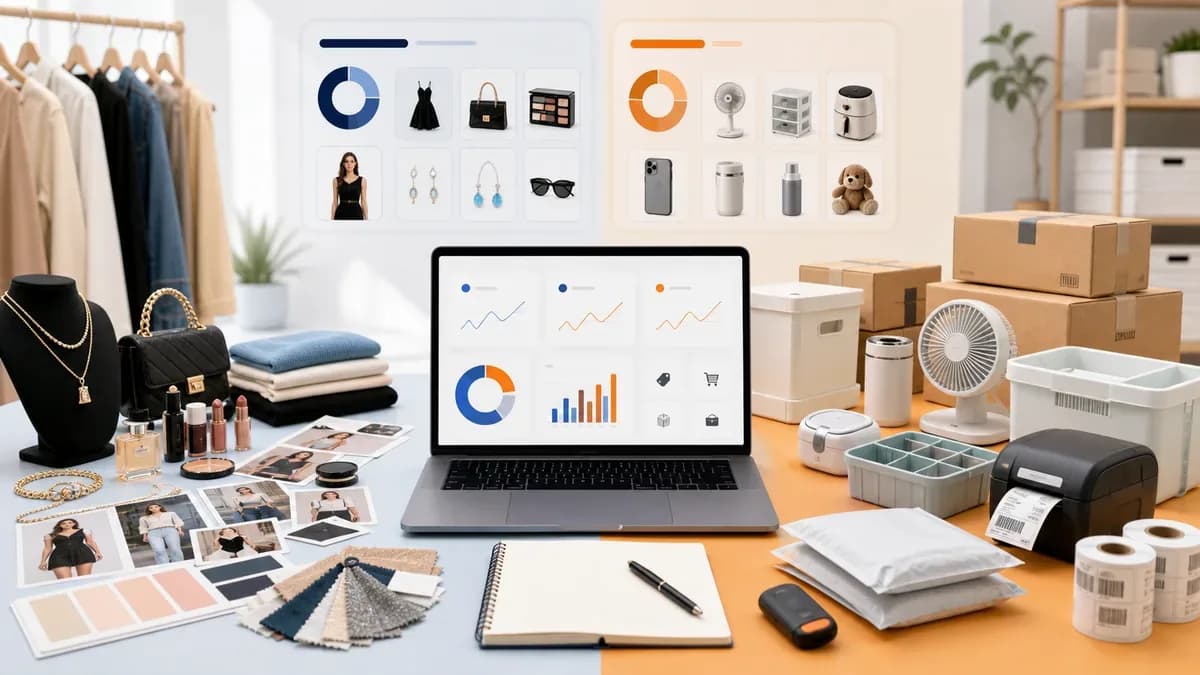
For sellers, SHEIN vs Temu is not a generic traffic comparison. The right platform depends on whether the product belongs in a style-led marketplace or a broad discount marketplace.
When SHEIN makes more sense
SHEIN may make more sense when a seller has products that benefit from visual merchandising and trend timing.
SHEIN-fit products often include:
- Apparel and fashion basics
- Accessories, bags, jewelry, and footwear
- Beauty and personal style products
- Lifestyle products with strong visual appeal
- Seasonal style collections
- Products that can be supported with model shots, lifestyle images, and strong creative direction
Sellers should be ready to invest in images, sizing clarity, variant management, and review quality. Strong product pages matter because shoppers are making visual and expectation-based decisions.
When Temu makes more sense
Temu may make more sense when a seller can compete in a price-sensitive marketplace and support efficient operations.
Temu-fit products often include:
- Home organization items
- Kitchen and household products
- Low-cost electronics accessories
- Pet products
- Toys, crafts, and seasonal goods
- Broad-catalog products with clear utility
- Products already proven on another marketplace
Temu is less forgiving for weak cost structures. Sellers need to understand landed cost, platform terms, fulfillment costs, return rates, and price elasticity before assuming that high traffic will create profit.
Side-by-Side Comparison Table
| Factor | SHEIN | Temu |
|---|---|---|
| Best-known identity | Fashion-led shopping platform | Broad discount marketplace |
| Strongest buyer use case | Outfits, accessories, beauty, style discovery | Bargain browsing, household items, gadgets, general goods |
| Buyer advantage | Strong visual curation and trend discovery | Low prices and wide category variety |
| Buyer risk | Sizing, material expectations, return eligibility | Quality variance, brand trust, impulse purchases |
| Seller fit | Fashion, beauty, lifestyle, visual products | Low-cost broad catalog products with strong operations |
| Seller advantage | Better style-context fit for visual products | High traffic and price-sensitive discovery |
| Seller risk | Fast trend cycles and image expectations | Margin pressure and price competition |
| Better for brand building | Better than Temu for style-led brands, but still marketplace-limited | Harder for premium brand positioning |
| Better first channel for new sellers | Only if category fit is strong | Only if cost structure is strong |
Nexscope: Compare Ecommerce Platforms With Better Market Signals
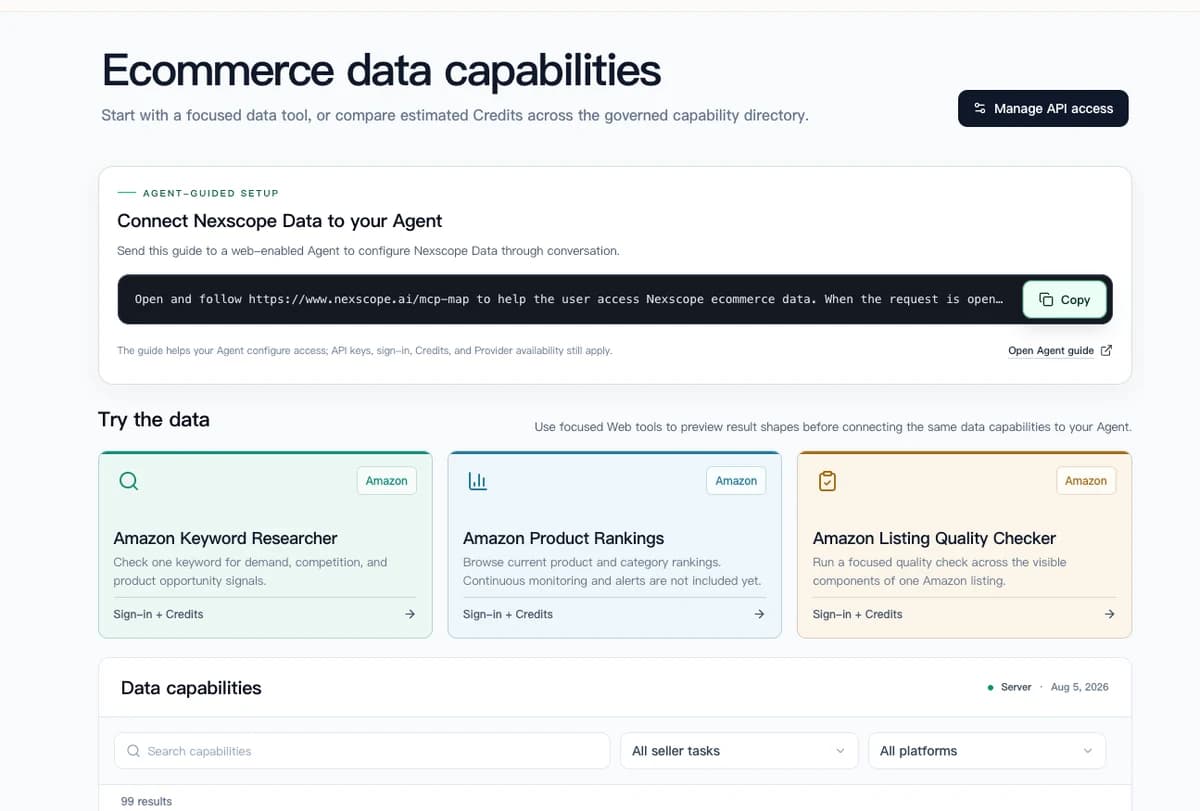
Nexscope provides structured ecommerce data and focused seller workflows. Teams can use Nexscope's web tools directly or connect governed capabilities to their existing Agent through API, MCP, or Skills. Ready workflows include Keyword to Ads, Video Clone, and Buy Box Repricer.
For a SHEIN vs Temu decision, sellers can use Nexscope to structure the evaluation instead of relying on surface-level assumptions such as "Temu is cheaper" or "SHEIN is only fashion." The real question is whether the seller's product fits the platform's buyer intent, margin expectations, fulfillment model, and competitive environment.
Nexscope supports plain-English workflows across ecommerce research and execution, including competitor research, review analysis, keyword research, market research, product sourcing, pricing analysis, patent and IP risk checks, image generation, and video generation. Sellers can use it to compare marketplace signals from SHEIN, Temu, Amazon, TikTok Shop, Jungle Scout, Google Trends, Amazon Brand Analytics, and other publicly mentionable ecommerce sources.
Useful platform comparison questions include:
- Which platform has the stronger buyer intent for this product category?
- Is the product visual and trend-driven enough for SHEIN?
- Is the margin strong enough for Temu-style price pressure?
- Which competitors already dominate the category?
- Are reviews exposing quality, sizing, durability, or delivery issues?
- Does the product need a marketplace-first strategy, a brand-owned store, or a different discovery channel instead?
Common Mistakes to Avoid
- Choosing only by traffic: A high-traffic marketplace is not useful if the audience does not match the product.
- Ignoring margin pressure: Temu-style pricing can make weak cost structures unprofitable quickly.
- Treating SHEIN as only apparel: SHEIN has expanded categories, but sellers still need to respect its fashion-led audience image.
- Treating Temu as only a cheap product source: Temu is also a marketplace with seller rules, fulfillment expectations, and operational requirements.
- Skipping compliance checks: Product safety, IP risk, labeling, and import rules can change the economics of a product.
- Copying listings without differentiation: Similar products need better positioning, images, bundles, quality, or channel strategy.
Conclusion
SHEIN vs Temu is not a simple winner-takes-all comparison. SHEIN is usually stronger for fashion, beauty, accessories, and style-led shopping. Temu is usually stronger for broad low-price discovery across everyday categories.
For buyers, the right choice depends on what is being purchased. SHEIN is better when visual style and trend fit matter. Temu is better when variety and low prices matter most. In both cases, buyers should check reviews, photos, sizing, materials, delivery estimates, and return rules.
For sellers, the decision is more strategic. SHEIN fits products that need visual merchandising and trend timing. Temu fits sellers that can handle price pressure, broad competition, and operational discipline. The better choice depends on category fit, margin structure, fulfillment model, and how much control the seller needs over brand presentation.
The best platform is the one where the product, buyer intent, margin structure, fulfillment model, and brand goals fit together.
Connect Ecommerce Data to Your Agent
Use Nexscope through API, MCP, or Skills, or open a ready seller workflow.
Explore Ecommerce Data →Frequently Asked Questions
Is SHEIN better than Temu?
SHEIN is better than Temu for many fashion, outfit, beauty, accessory, and style-led purchases because its shopping experience is more visually curated. It is not automatically better for every product. Temu can be better for buyers who want broad variety and very low prices across home goods, gadgets, household products, pet items, toys, and other general merchandise.
Is Temu cheaper than SHEIN?
Temu is usually perceived as more aggressively price-driven than SHEIN, especially for everyday products, gadgets, home goods, and small utility items. SHEIN is also affordable, but its value is often tied to fashion discovery and trend access. Buyers should compare total value, not only the listed price. Materials, sizing, delivery time, return eligibility, and durability can change the real cost of a purchase.
Which platform has better quality, SHEIN or Temu?
Quality varies on both platforms. SHEIN quality concerns often involve sizing, fabric, stitching, and whether the product matches the photo. Temu quality concerns often involve materials, durability, packaging, dimensions, and functionality. Buyers should read reviews with photos, check product details, and avoid assuming that a high star rating alone proves quality.
Can sellers sell on SHEIN?
Yes. SHEIN Marketplace publicly promotes seller registration and Seller Hub tools for managing product listings, inventory, orders, promotions, payments, customer insights, and store presentation. Sellers should verify current requirements for their market, business type, documentation, category, fees, and fulfillment obligations before planning a launch.
Can sellers sell on Temu?
Yes. Temu Seller Center is the platform's merchant portal, and public pages describe account creation, store setup, seller support, marketing services, and Seller Academy resources. Eligibility, documentation, seller model, fulfillment expectations, and fee structure can vary by country and account type, so sellers should confirm the current terms directly before listing products.
Is SHEIN or Temu better for brands?
SHEIN may be better for brands with fashion, beauty, accessory, or lifestyle products that benefit from visual presentation. Temu may be useful for brands with low-cost general merchandise and efficient fulfillment, but it can be harder for premium positioning because buyers often focus heavily on price. Brands that need deeper customer relationships may need a channel where they control more of the customer experience.
Should Amazon sellers use SHEIN or Temu?
Amazon sellers should use SHEIN or Temu only if the platform fits their product category and economics. SHEIN can be useful for visual, trend-led categories. Temu can be useful for price-competitive products with strong cost control. Amazon may still be better for products that depend on search demand, reviews, structured listings, and trust signals.
Sources
- SHEIN. (2026). Sell on SHEIN Marketplace. Retrieved from seller-us.shein.com
- SHEIN. (2026). Return Policy and Shipping Information. Retrieved from us.shein.com
- Temu. (2026). Temu Seller Center. Retrieved from seller.temu.com
- PDD Holdings. (2026). Annual Reports and Investor Relations. Retrieved from investor.pddholdings.com
- AARP. (2026). Temu vs. SHEIN Consumer Comparison. Retrieved from aarp.org