

World Cup and Prime Day: June Marketing Playbook for Sellers

The 2026 FIFA World Cup begins on June 11, and Amazon Prime Day 2026 is scheduled for June 23-26. That creates an unusual June double peak for ecommerce sellers: a long sports-driven attention window that rolls directly into a short, high-intent shopping event.
The smarter question is practical: how can sellers use one preparation cycle to serve two demand moments inside the market where they already operate? Sports fans and Prime Day shoppers do not need totally separate plans. Many of the same actions apply: demand forecasting, offer planning, creative refreshes, audience building, budget pacing, and post-event retention.
The right playbook starts with coordinated preparation, then reads demand signals by market and category before turning the longer June window into weekly actions that can be executed without wasting budget.
Coordinated Preparation Is the Right Starting Point
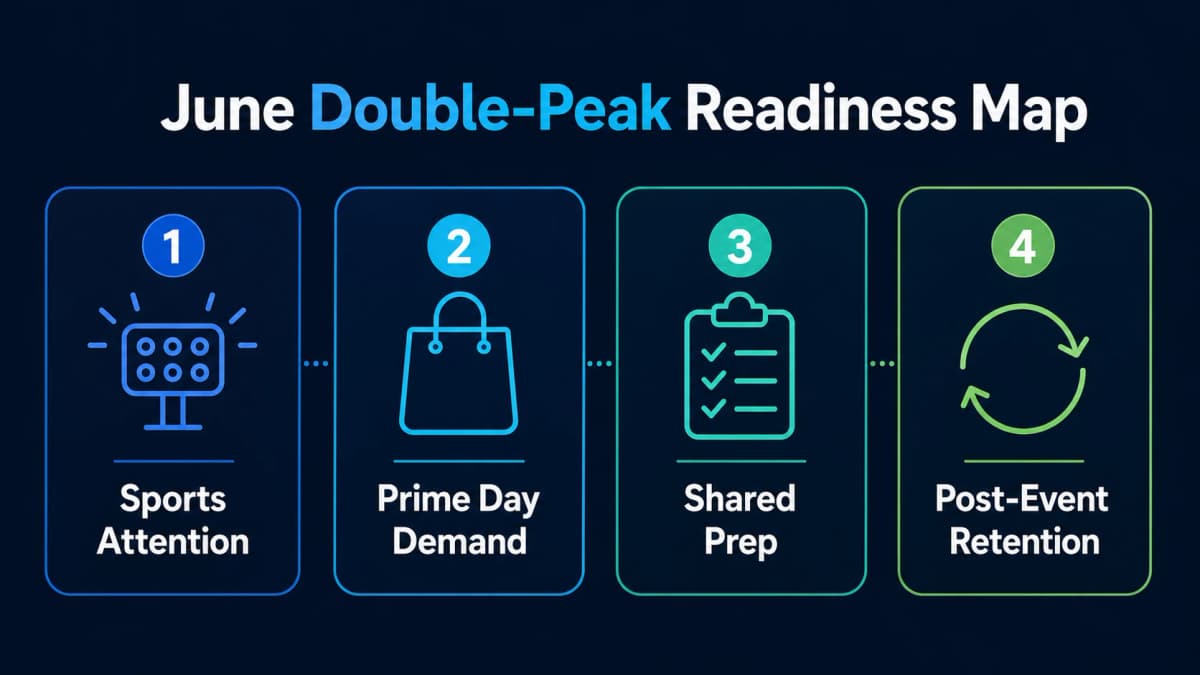
Sports event traffic and Prime Day traffic behave differently, but the preparation overlaps. Sports event demand is slower and more emotional. It grows through anticipation, watch parties, team identity, home viewing, and social conversation. Prime Day demand is more compressed. Shoppers compare deals, act quickly, and expect strong offers within a limited event window.
The right starting point is not to build two disconnected campaigns. It is to coordinate one June operating plan around four shared layers:
- Demand: which products can connect to sports viewing, summer hosting, gifting, replenishment, or Prime Day deal intent.
- Creative: which images, ad copy, Store sections, and product page angles make the occasion easy to understand.
- Media: which campaigns should warm up before the event, scale during the peak, and retarget after the sale.
- Retention: which new shoppers should be brought back after the traffic spike.
The goal is to use one preparation cycle to cover two peaks: long-window sports attention and four-day Prime Day urgency. Sellers that separate these moments too aggressively may duplicate work, split budget too thinly, and miss the connection between early awareness and later conversion.
For the Prime Day operations side, amazon prime day 2026 planning should still include deal status, coupons, inventory, listing readiness, and promotion monitoring. Around that checklist, sellers also need a broader June marketing rhythm.
Why the June Double Peak Matters
The June double peak matters because three forces arrive together: global sports attention, high-value shopping audiences, and overlapping preparation work.
1. Sports Attention Concentrates Demand
The World Cup is one of the rare moments when a broad consumer audience pays attention to the same calendar at the same time. It does not only affect sports merchandise. It changes how people gather, upgrade home setups, plan food and drinks, refresh personal care, buy gifts, and spend time with friends or family.
That matters because sellers often look for demand only inside obvious product categories. A sports event can also create demand in adjacent categories:
- Home viewing products, such as TVs, projectors, soundbars, smart speakers, charging accessories, seating, and lighting.
- Hosting products, such as party supplies, disposable tableware, outdoor cooking items, coolers, drinkware, and snacks.
- Personal preparation products, such as beauty, grooming, apparel, and accessories.
- Home care products, such as cleaning supplies, laundry, storage, and organization items before hosting.
Sellers working on World Cup product opportunities should think beyond team products. The best angle is often the fan moment, not the logo.
2. Sports Audiences Can Behave Like High-Value Shoppers
Sports audiences can show strong shopping signals during event periods because event attention creates a reason to buy. A shopper may not normally browse for a projector, cooler, team-color accessory, snack bundle, or cleaning product. A watch party or home-viewing plan gives that purchase a deadline.
For sellers, that deadline can lift conversion when the offer is clear. A product page that already answers the shopper's question can benefit from the occasion. A vague listing may receive more clicks but fail to convert.
Event attention only becomes ecommerce demand when the product connects to a real use case. Sellers should audit titles, images, bullets, A+ content, and ads for that use case before sending more traffic.
3. The Core Prep Work Is Shared
The double peak is efficient because the same prep supports both moments:
- Inventory planning supports sports-event demand and Prime Day deal volume.
- Creative refreshes can support both fan moments and discount urgency.
- Search campaigns can test intent before Prime Day.
- Product targeting can defend placements during the peak.
- Retargeting audiences can capture shoppers who browse during sports content and return during or after Prime Day.
This is where the June window becomes more than a calendar coincidence. It gives sellers time to build attention before Prime Day, then use Prime Day urgency to convert shoppers who are already closer to purchase.
Demand Is Not Only Jerseys and Team Merch
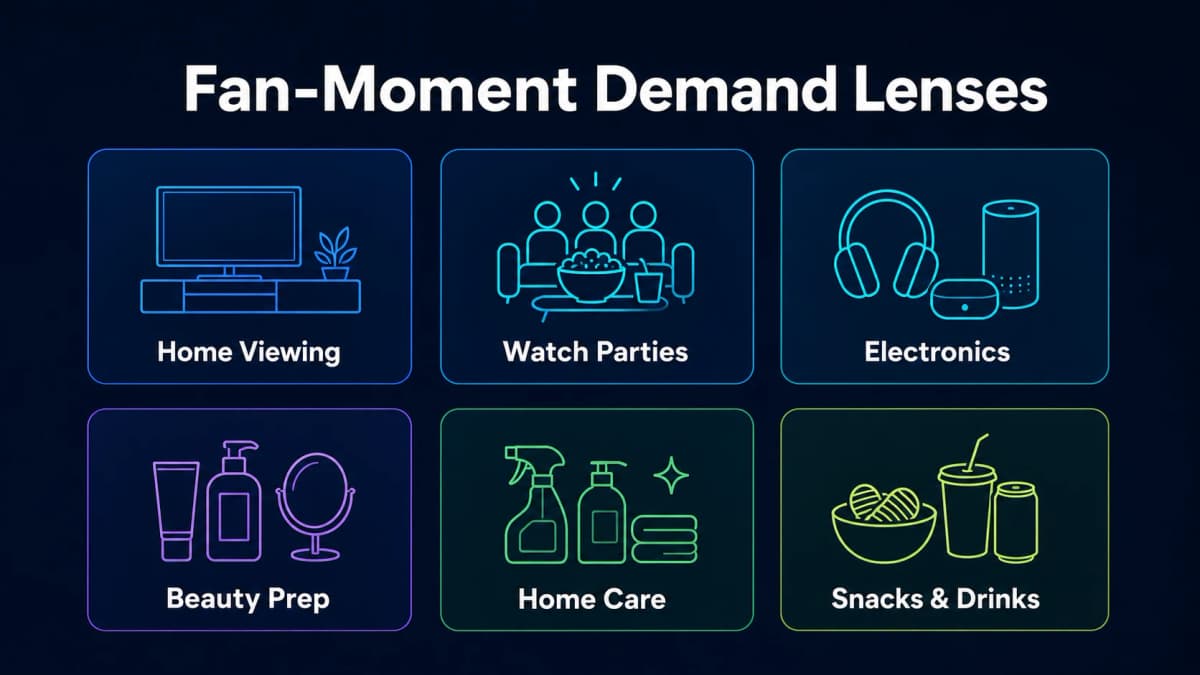
Demand varies by fan culture, viewing habits, climate, household behavior, and category maturity. Sellers should read the market where they already operate, then choose products and creative angles that match that audience.
U.S., Canada, and Mexico: Home Viewing, Hosting, and Team Identity
The 2026 tournament is especially important across North America because the event is hosted by the U.S., Canada, and Mexico. Local sellers in these markets can expect sports attention to spill into several shopping moments.
U.S. sellers should look at home-viewing electronics, gaming accessories, team-color apparel, outdoor hosting, and sports-adjacent gift bundles. Canada sellers may find steadier demand in practical home goods, quality apparel, reusable party products, and everyday replenishment. Mexico sellers should pay special attention to family viewing, party decoration, food and drink preparation, home care, and beauty prep before gatherings.
The product does not need to be officially tied to the tournament. The product needs to help shoppers enjoy the moment.
Brazil and Latin Fan Culture: Color, Hosting, and High-Energy Gatherings
Markets with deep soccer culture often create demand around social viewing. Sellers in these local markets should look for products that help shoppers host, travel lightly, decorate quickly, or prepare for repeated match days.
Useful angles include portable chargers, folding chairs, coolers, home care, snack storage, beauty, personal care, and color-driven accessories. The key is speed and relevance. A shopper preparing for a matchday gathering needs a product that looks easy to use and arrives on time.
Europe: Mature Sports Culture and Design-Led Buying
European markets can combine mature sports culture with high expectations for product quality and design. Sellers should not assume every sports-related shopper wants the cheapest product. Some segments may respond better to premium accessories, well-designed apparel, home bar products, tableware, electronics, and high-quality hosting items.
For fashion and lifestyle categories, creative quality matters. Product images should show the use case clearly without looking like generic seasonal decoration.
Japan: Smaller Details, Quality, and Polished Supporter Culture
Japan's fan culture often rewards compact, thoughtful, well-designed products. Sellers operating in Japan or serving Japanese consumers should be careful with overly broad discounting or loud creative. Better angles include small supporter accessories, quick-dry sports apparel, home-viewing comfort products, storage, and polished product bundles.
The key is product detail. Listings should explain material, size, use case, delivery, and quality signals clearly.
Middle East: Indoor Viewing and Higher-Value Home Setups
In hotter markets, sports viewing often shifts indoors. That can lift demand for home electronics, cooling appliances, projectors, smart speakers, comfortable seating, and premium living-room upgrades.
For high-ticket products, sellers should plan longer consideration cycles. Shoppers may browse early, compare during the event, and buy after seeing multiple ads or reading more reviews.
Hidden Growth Categories: Home Care, Beauty, and Hosting
Event demand can show up in home care, beauty, and party preparation. Before inviting people over, shoppers clean the home, restock essentials, prepare snacks, and get ready personally.
For these categories, sellers should not force sports language into every asset. The stronger message is often practical:
- Make the living room ready before match night.
- Restock party essentials before guests arrive.
- Refresh personal care before the weekend.
- Prepare a cleaner, easier hosting setup.
This Is a Long Window, Not a Four-Day Sprint
Prime Day is a four-day sales event, but the sports attention window starts earlier and lasts longer. That changes how sellers should think about June. The goal is not to sprint for four days. The goal is to let awareness, comparison, conversion, and retention build in sequence.
The longer window creates two opportunities:
- Sellers can find a second growth point in an adjacent category, audience, or channel before Prime Day arrives.
- Sellers can turn new event-driven visitors into brand customers instead of treating them as one-time deal traffic.
The June double peak should be managed as a sequence: warm up demand, convert high-intent shoppers, then retain new audiences after the peak.
This is also where sellers should separate planning layers clearly. A Prime Day checklist, a Prime Day advertising strategy, and a World Cup plus Prime Day playbook each serve a different job. The checklist covers operational readiness. The advertising strategy covers PPC structure. This playbook covers the wider June demand window.
Strategy 1: Find a Second Growth Point Inside the Same Market
The first strategic move is to find a second growth point inside the market where the seller already has inventory, fulfillment, and customer understanding.
That second growth point can come from:
- An adjacent product use case, such as moving from electronics accessories to home viewing bundles.
- An adjacent customer moment, such as moving from standard cleaning products to pre-hosting home care.
- A local channel mix, such as Amazon plus a branded site, TikTok Shop, Walmart Marketplace, or retail media where the seller already operates.
- A category extension, such as apparel sellers testing fan-color accessories or beauty sellers testing event-ready bundles.
The safest version is to start with ASINs or SKUs that already have proof:
- Stable monthly sales.
- Review quality strong enough for seasonal traffic.
- Clear margin after discount and ad cost.
- Inventory that can support the full window.
- Creative that can be refreshed without changing the product promise.
This is different from launching a random new product because sports demand is rising. The second growth point should be close enough to the seller's existing strengths that the campaign can move quickly.
Strategy 2: Turn New Viewers Into Brand Customers
Sports moments introduce shoppers who may not have searched for the brand before. The task is to meet them at the right point in the journey, then turn short-term attention into longer-term customer value.
Use Multiple Touchpoints Instead of One Ad Type
Search ads are useful when the shopper already has intent. Video and display placements can help when the shopper is still forming the need. Sponsored Brands and Store pages can connect multiple products into a clear seasonal collection. Product targeting can place stronger offers near relevant alternatives.
The mix should match the buying journey:
- Awareness: video, lifestyle creative, Store pages, and category-level messaging.
- Consideration: Sponsored Brands, product comparison angles, review signals, and use-case images.
- Conversion: Sponsored Products, exact-match keywords, product targeting, coupons, and deal-ready pages.
- Retention: remarketing audiences, loyalty messaging, replenishment, bundles, and cross-sell offers.
Sellers that already have strong PPC foundations can connect this work to an Amazon PPC strategy instead of rebuilding everything for a seasonal moment.
Use Audience Segments to Separate Browsers From Buyers
Higher-ticket products often need longer decision cycles. A shopper may view a projector, home battery, smart speaker, or premium appliance days or weeks before buying. That means retargeting should be planned before the event, not after traffic disappears.
Useful audience groups include:
- Product detail page viewers who did not purchase.
- Add-to-cart shoppers who did not complete checkout.
- Store visitors who explored a seasonal category.
- New-to-brand buyers who may need accessories or refills.
- Repeat buyers who can be reactivated with a timely seasonal offer.
The most valuable event traffic is not always the order that happens immediately. It may be the audience that becomes reachable after the first visit.
Use Similar Audiences and Loyalty Segments Carefully
For replenishable, fashion, beauty, and consumable categories, sellers can look for new shoppers that resemble high-value customers. At the same time, existing buyers should not be ignored. A sports event can create an easy reason to return, especially for snacks, beauty, home care, apparel, accessories, and gifting.
The goal is to avoid one broad campaign that treats every shopper the same. New viewers, cart abandoners, high-value customers, and repeat buyers need different messages.
Strategy 3: Turn the Long Window Into Weekly Actions
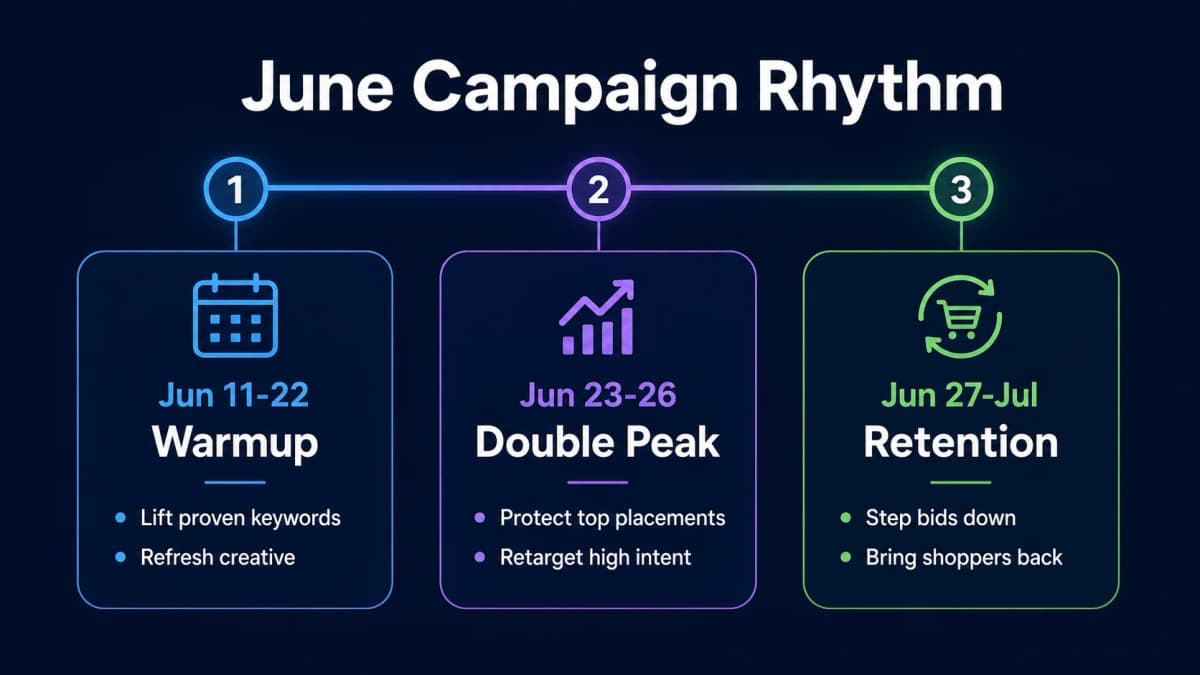
The plan should turn strategy into weekly actions. Sellers do not need a complicated calendar. They need a few moves that can be executed quickly and reviewed often.
Before June 11: Lift Proven Keywords and Refresh Creative
If the event is close, the safest move is not to create a large set of brand-new campaigns. New campaigns often need time to gather data. Sellers should first identify existing campaigns with stable conversion, healthy ACoS, and enough budget.
Immediate actions:
- Raise bids modestly on proven keywords that already convert.
- Protect campaigns that send traffic to high-inventory, high-margin products.
- Refresh main images, Sponsored Brands creative, Store sections, and lifestyle images for home viewing or hosting use cases.
- Reduce spend on broad terms that do not match the seasonal moment.
Last-minute budget should go into campaigns with evidence, not untested ideas.
Creative matters here. Sellers using Nexscope Product Photography Service can prepare listing-ready studio shots, lifestyle scenes, model shots, PDP images, and ad-ready visuals when event creative needs to look polished rather than improvised.
June 11-22: Warm Up the Sports Attention Window
During the early tournament period, shoppers are watching, browsing, and planning. Sellers should use this phase to capture attention and test which angles are working.
Useful actions:
- Put seasonal Store sections and Sponsored Brands campaigns live.
- Test home viewing, hosting, and fan-moment creative.
- Watch search term reports for new language shoppers use.
- Build retargeting audiences from product detail page views and Store visits.
- Keep bids focused on terms that already show relevance.
This stage should not drain the full Prime Day budget. It should build signals and audiences.
June 23-26: Manage the Double Peak
June 23-26 is the overlap between Prime Day urgency and sports-event attention. During this window, sellers should prioritize execution over experimentation.
Useful actions:
- Push proven keywords and proven ASINs toward top placements.
- Protect budget for the full event window.
- Apply retargeting audiences built during the warmup period.
- Target competitor ASINs only where the offer is genuinely stronger.
- Monitor inventory, Buy Box status, coupon status, and search term waste daily.
New campaigns can still run if they are small tests, but the main budget should not depend on brand-new learning during the busiest days.
June 27 Through July: Step Down Carefully and Retain Shoppers
After the peak, sellers should avoid shutting everything off immediately. Sports attention may continue, shoppers may still compare, and new audiences may still be reachable.
Useful actions:
- Step bids down gradually on campaigns that converted well.
- Keep retargeting active for detail page viewers, cart abandoners, and Store visitors.
- Shift messaging from urgency to product proof, bundles, reviews, or post-event use cases.
- Review which products earned new customer exposure.
- Identify which creative angles should be reused for fall events, Prime Big Deal Days, Black Friday, Cyber Monday, or category-specific campaigns.
This is where the double peak becomes learning. Sellers that review only total sales may miss the audience and creative signals that make the next event easier.
Where Nexscope Fits Into the June Playbook
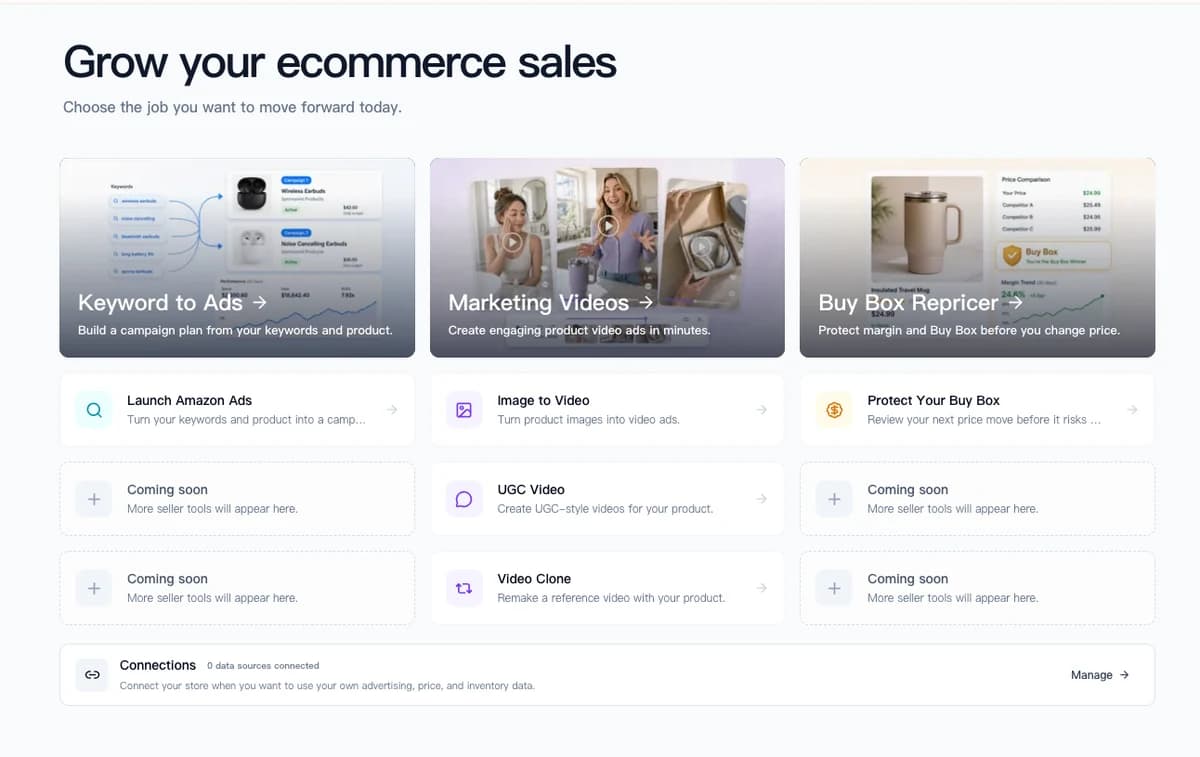
Nexscope provides structured ecommerce data and focused seller workflows. Teams can use Nexscope's web tools directly or connect governed capabilities to their existing Agent through API, MCP, or Skills. Ready workflows include Keyword to Ads, Video Clone, and Buy Box Repricer.
Sellers can use Nexscope ecommerce data and focused workflows to pressure-test questions such as:
- Which products can connect to both sports-event demand and Prime Day intent?
- Which listings need creative refreshes before sending more traffic?
- Which competitors are likely to win on price, reviews, or offer strength?
- Which audiences should be retargeted after the first traffic spike?
- Which products should be deprioritized because inventory or margin is too weak?
Start with the AI agent to turn June planning questions into repeatable seller workflows.
For teams that want execution support, Nexscope Ecommerce Growth Services can help with research, listing, creative, PPC, and launch workflow planning across Amazon, TikTok Shop, Shopify, Walmart, and DTC channels.
Bring in the growth team when the campaign needs hands-on execution across research, creative, and PPC.
Common Mistakes to Avoid
- Treating sports-event demand as only merch demand: Fan moments can lift home viewing, beauty, home care, snacks, electronics, apparel, and hosting products.
- Copying the same creative into every market or channel: Local fan culture affects which images, copy, and offers feel relevant.
- Building new campaigns too late: Late-stage budget should favor campaigns with conversion history.
- Spending all budget before Prime Day: The warmup phase should build signals, not consume the full event budget.
- Ignoring post-event audiences: Visitors, cart abandoners, and new buyers can still convert after the main peak.
- Using broad discounts without margin checks: A seasonal offer still needs healthy economics after CPC, fees, and fulfillment costs.
- Letting content overlap across blog topics: A double-peak playbook should not repeat a pure Prime Day checklist or PPC-only strategy.
Conclusion
The World Cup and Prime Day create a rare June sequence for ecommerce sellers. One moment builds attention over time. The other compresses shopping intent into a short event. Sellers that coordinate both can plan inventory, creative, ad spend, and retention with less duplicated work.
The strongest plan is not the loudest campaign. It is the most disciplined sequence: identify demand lenses, support proven products, refresh creative, build audiences before the peak, protect budget during Prime Day, and bring shoppers back after the event.
Nexscope can help sellers turn that sequence into an AI-assisted workflow across research, listing, creative, advertising, and growth execution.
Connect Ecommerce Data to Your Agent
Use Nexscope through API, MCP, or Skills, or open a ready seller workflow.
Explore Ecommerce Data →Frequently Asked Questions
Why do the World Cup and Prime Day matter together for ecommerce sellers?
The World Cup creates a longer attention window around sports viewing, hosting, home upgrades, snacks, beauty, apparel, and fan-related occasions. Prime Day creates a shorter burst of deal-driven purchase intent. When the two happen in the same month, sellers can use one preparation cycle to support awareness, conversion, and retargeting instead of planning two unrelated campaigns.
Should sellers expand into new markets for this moment?
Not necessarily. Sellers should first focus on the marketplace, channel, and audience they already understand. The useful takeaway from global demand data is that fan culture varies by market, and product messaging should match local viewing habits, hosting behavior, price expectations, and category demand. Expansion can come later if the seller already has enough inventory, fulfillment support, and margin confidence.
Which products can benefit from a sports-event marketing window?
Sports-event demand can support more than jerseys or official merchandise. Home viewing electronics, party supplies, drinkware, snacks, home care, beauty, apparel, portable chargers, coolers, seating, storage, and gifting products can all benefit if the product connects clearly to a real fan moment. The listing and creative should make that use case obvious.
What should sellers do before June 23-26?
Before the Prime Day window, sellers should lift proven keywords, refresh creative for the sports or hosting moment, confirm inventory, prepare retargeting audiences, and check promotion readiness. The main budget should favor products with conversion history, acceptable margin, and enough stock. Broad experiments should stay limited.
How should sellers handle traffic after Prime Day ends?
Sellers should step bids down gradually, keep retargeting active, and review which products earned new customer exposure. Post-event messaging can shift from urgency to proof, bundles, reviews, replenishment, or related products. The goal is to convert visitors who compared during the peak but did not buy immediately.
Sources
- FIFA. (2026). FIFA World Cup 2026 match schedule. Retrieved from fifa.com
- Amazon Ads. (2026). Amazon Marketing Cloud. Retrieved from advertising.amazon.com
- Amazon Ads. (2026). Sponsored Ads and Display Advertising Solutions. Retrieved from advertising.amazon.com
- Amazon Ads. (2026). Sports and event marketing insights. Retrieved from advertising.amazon.com