

The Complete GEO and SEO Playbook for DTC Brands 2026

SEO isn't dead. Single-channel SEO is dead.
In 2026, generative AI answers (Google AI Overviews, ChatGPT, Perplexity) capture over 50% of information-seeking queries. Zero-click searches are now the norm, not the exception.
If you're only optimizing for traditional search rankings, you're fighting for half the battlefield. The winning formula: SEO for rankings + GEO for AI citations.
This playbook gives you the complete strategy to dominate both.
2026 Global Traffic Trends
Before diving into tactics, understand why the dual-engine approach is non-negotiable.
AI Is Taking 25%+ of Traditional Search Traffic
Generative AI answers now appear in over 52% of informational queries. When someone searches "best protein powder for muscle gain," they increasingly get an AI-generated answer before seeing any website links.
The implication: Single-channel SEO only defends traditional search. GEO + SEO captures both traditional rankings AND AI citations.
Regional Traffic Patterns
Traffic behavior varies significantly by market:
| Region | Characteristics | Implication |
|---|---|---|
| North America & Europe | Brand-focused, E-E-A-T heavy, long purchase decisions | SEO + GEO conversion highest |
| Southeast Asia, Middle East, Latin America | Mobile-first, video + search parallel | Localization + speed critical |
| Non-English markets | 55% of global search volume | Small language = growth opportunity |
Algorithm Shift: From "Ranking" to "Being Cited"
The fundamental change in how algorithms work:
Google's direction: - Stronger emphasis on entity brands - E-E-A-T (Experience, Expertise, Authoritativeness, Trustworthiness) - Local NAP consistency - Mobile experience
AI model preferences: - Structured, extractable content - Authoritative sources - Localized, culturally relevant information - Factual accuracy with citations
Bottom line: You need to optimize for both traditional search AND AI systems.
SEO vs GEO — Why You Need Both
Basic Definitions
SEO (Search Engine Optimization): Optimizing for Google's crawlers—rankings, indexation, domain authority, organic traffic.
GEO (Generative Engine Optimization): Optimizing for AI models—getting your content cited, recommended, and output by ChatGPT, Perplexity, Google AI Overviews, and other AI systems.
The Dual-Engine Value
| Engine | Function |
|---|---|
| SEO | Get found in search |
| GEO | Get selected by AI |
Combined effect: Same content achieves search ranking + AI citation + local recommendation. Triple exposure, 30%+ conversion lift.
7-Step GEO + SEO Playbook
Step 1: Lock Your Target Region
Don't chase global traffic. Focus on 1-3 high-value markets first.
How to select: - Use Google Trends and SEMrush to assess volume and competition - Prioritize markets where you can win, not just where traffic is highest
Lock down regional signals:
| Signal | Implementation |
|---|---|
| Domain | Country TLD or .com with regional landing pages |
| Server | Host in target region (US West for US, Frankfurt for EU) |
| Hreflang | Proper implementation improves international traffic 40%+ |
| NAP | Name, Address, Phone consistent across all platforms |
Step 2: Technical Foundation
The technical base is shared between SEO and GEO.
Core requirements: - Mobile-first (72%+ global traffic is mobile) - Core Web Vitals passing scores - Full HTTPS, proper caching, compressed images - Page load under 2 seconds - Clean static/semi-static structure for easy crawling
Required structured data (Schema): - FAQ - Article - Organization - Product - LocalBusiness (if applicable)
Use a comprehensive SEO checklist to ensure nothing is missed.
Impact: Proper schema implementation increases AI citation probability by 30%+.
Step 3: Keyword Strategy — Intent + Region
Move beyond simple keyword targeting. Think intent and geography.
Three Keyword Categories
| Type | Examples | Purpose |
|---|---|---|
| Core keywords | Brand name, main category terms | SEO foundation |
| Local long-tail | "wedding dress boutique Dallas", "organic skincare UK" | Regional capture |
| AI query keywords | what/how/where/best/near me queries | GEO priority |
Implementation Structure
- Pillar pages target core keywords
- Blog posts target AI query keywords
- Internal links connect everything into topic clusters
Step 4: Content That AI Loves
AI systems prefer content that's structured, factual, and extractable.
Content Structure Formula
Title -> Key Points List → Data/Case Studies → FAQ → CTA
Content Requirements
| Element | Why It Matters |
|---|---|
| Short sentences | Easier extraction |
| Lists and tables | Structured data AI can parse |
| Bold key information | Highlights extractable facts |
| Statistics and data | AI prefers citable numbers |
| Authority signals | Certifications, credentials, case studies |
Hyper-Localization
Go beyond translation: - Zip code-level scenarios - Local holidays and events - Local payment methods - Regional shipping and logistics - Local compliance requirements
Product and Service Pages
Every product and service page needs an FAQ section. AI systems cite FAQ content at significantly higher rates.
Step 5: E-E-A-T and Brand Authority
AI recommendation is risk transfer. AI systems prefer brands that are verifiable and trustworthy.
Build authority through:
| Signal | Implementation |
|---|---|
| Author attribution | Named authors with credentials |
| Company information | Complete entity details |
| Authoritative backlinks | Industry publications, news sites |
| Local citations | |
| Real reviews | Verified customer feedback |
| Case studies | Documented results |
Avoid: - Pure AI-generated content without human review - Absolute claims that can be disproven - Inconsistent information across pages
Step 6: Local SEO (GEO's Biggest Multiplier)
Local signals dramatically boost GEO performance. AI systems heavily weight local business data.
Google Business Profile Optimization
- Complete all categories
- Define service areas precisely
- Accurate business hours
- Regular review responses
- Photo and video updates
Local Citation Building
Build presence on: - Yelp - Apple Maps - Industry vertical platforms - Local business directories
Local Link Building
- Local KOL partnerships
- Community sponsorships
- Chamber of commerce memberships
- Local press coverage
Landing Page Localization
Make local intent explicit: - Service areas clearly stated - Local delivery options - Local phone numbers - Regional testimonials
Step 7: Multi-Channel Amplification
Content Syndication
- Republish on Medium, LinkedIn, industry publications
- Maintain consistent messaging across platforms
- Link back to your main site
Video and Visual Content
- Create video summaries for YouTube
- Design infographics for Pinterest
- Short-form content for TikTok/Reels
Review and Reputation
- AI systems heavily weight high-rated local businesses
- Actively manage review profiles
- Respond to all reviews (positive and negative)
90-Day Execution Plan
| Phase | Timeline | Focus Areas |
|---|---|---|
| Foundation | Day 1-7 | Regional targeting, technical audit, Schema deployment, NAP consistency |
| Content Build | Day 8-30 | Keyword research, pillar pages, 10 AI-optimized blog posts, GBP setup |
| Authority Build | Day 31-60 | Local citations, backlink outreach, review generation, FAQ coverage |
| Scale & Optimize | Day 61-90 | Performance analysis, content expansion, cross-platform syndication, A/B testing |
Recommended Tools
| Purpose | Tools |
|---|---|
| SEO | Google Search Console, Ahrefs, SEMrush, PageSpeed Insights |
| GEO | Rich Results Test, AI platform testing (ask ChatGPT/Perplexity about your category) |
| Local | BrightLocal, Screaming Frog, Hreflang Checker |
| Technical | Google Lighthouse, GTmetrix, Schema Markup Validator |
Common Mistakes to Avoid
1. Pure AI-Generated Content
Low-quality AI content gets algorithmically suppressed. Always human-review and fact-check.
2. SEO Only, No GEO
You're leaving AI traffic on the table. As AI answer adoption grows, this gap widens.
3. Translation Without Localization
Translating content isn't localizing it. Cultural adaptation, local examples, and regional specifics matter.
4. Ignoring Mobile and Speed
Poor mobile experience and slow load times hurt both rankings and AI citations.
5. Inconsistent Information
Different prices, availability, or details across your site, feeds, and schema destroy AI trust.
Scale Your Research with Nexscope
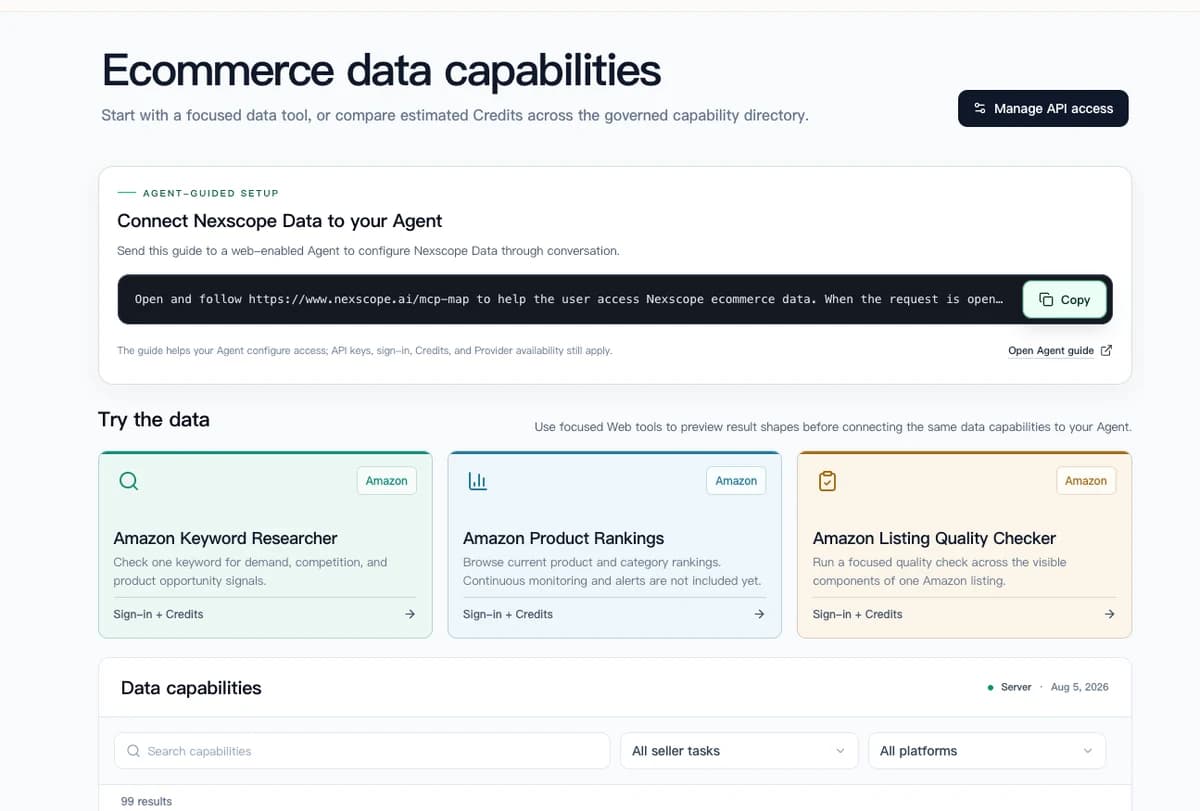
Building your GEO + SEO strategy? Nexscope ecommerce data can support keyword and competitor research in focused tools or connect to your Agent through API, MCP, or Skills.
Core Tools:
- Keyword Research — Find the AI query keywords that drive citations
- Competitor Research — See how top brands structure content for GEO
- Review Analysis — Extract customer language for authentic content
- Market Research — Identify regional opportunities and trends
Need Hands-On Help?
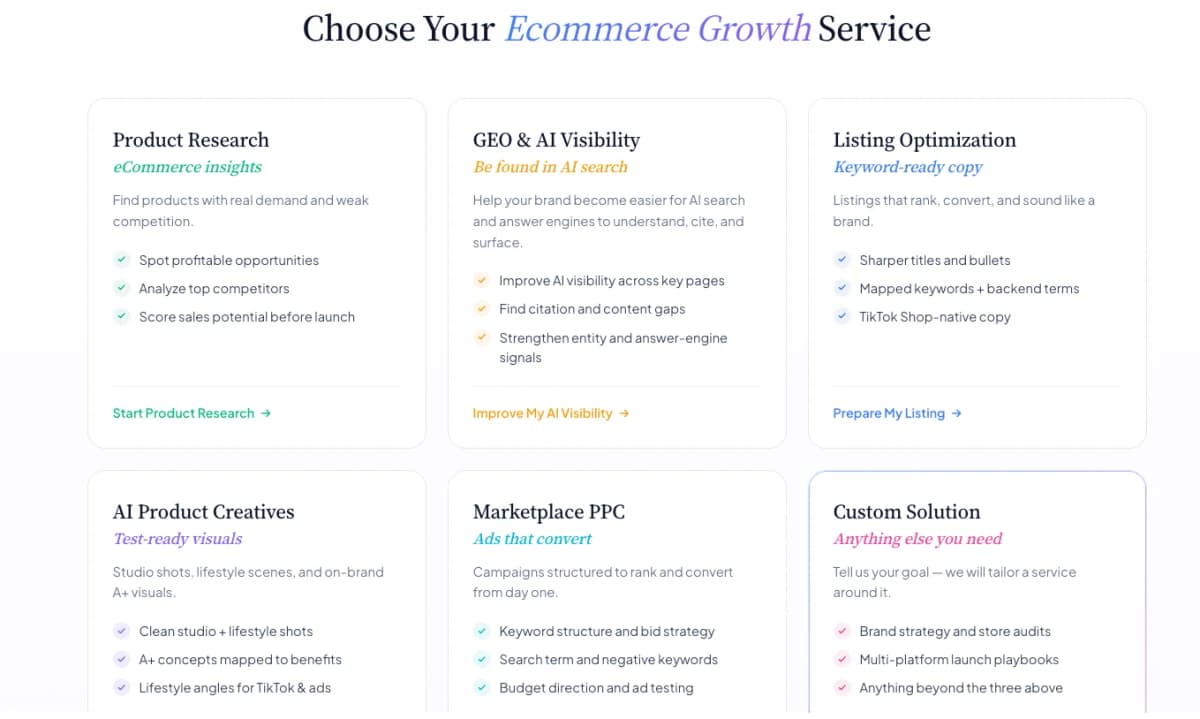
E-commerce Growth Services — Our specialists can audit your current SEO/GEO performance, build your content strategy, and implement technical GEO foundations.
Connect Ecommerce Data to Your Agent
Use Nexscope through API, MCP, or Skills, or open a ready seller workflow.
Explore Ecommerce Data →1,000 free credits • API, MCP & Skills
FAQ
What's the difference between SEO and GEO?
SEO optimizes for traditional search engine rankings. GEO optimizes for AI citations—getting your content referenced ind answers. SEO gets you found; GEO gets you selected.
Do I need to do both SEO and GEO?
Yes. Traditional search still drives significant traffic, but AI answers are capturing an increasing share. Doing only SEO means missing AI traffic; doing only GEO means missing search traffic. The dual approach captures both channels with overlapping effort.
How long does it take to see GEO results?
GEO results typically emerge faster than traditional SEO because you're optimizing for AI systems that update more frequently. Most brands see initial AI citations within 30-60 days of implementing structured data and content optimization. Full results take 90+ days.
Is local SEO important for GEO?
Extremely important. AI systems heavily weight local signals when making recommendations. Google Business Profile, local citations, and NAP consistency significantly boost AI citation likelihood.
Can I do GEO without a physical location?
Yes. Online-only brands can optimize through structured data, authoritative content, review management, and multi-channel presence.
Conclusion
The question isn't about SEO being dead—it's about single-channel SEO being dead.
The winning formula: - SEO builds your indexation and ranking foundation - GEO captures AI citation and local recommendation growth
Dual-engine execution is how DTC brands achieve stable customer acquisition and long-term compounding growth.
Sources
- Google. (2026). Search Central Documentation. Retrieved from developers.google.com
- Ahrefs. (2026). SEO Statistics and Trends. Retrieved from ahrefs.com
- BrightLocal. (2026). Local SEO Industry Report. Retrieved from brightlocal.com