
10 Ways GPT Image 2 Changes E-Commerce Product Design

GPT Image 2 has reached a point where its output can go straight into commercial use with almost no visible errors. For e-commerce sellers spending $1,000+ per month on designers, a $20 ChatGPT Plus subscription now handles work that used to take days—and does it in minutes.
The shift is dramatic. Upload a poorly shot product photo, give it one sentence like "create a premium Apple-style product poster," and the result comes back with correct lighting, layout, whitespace, and even multilingual copy placement. No endless prompt engineering. No seed adjustments. Just results.
This guide breaks down 10 practical scenarios where GPT Image 2 reshapes e-commerce visual workflows, complete with copy-paste prompts.
How to Get Reliable Output from GPT Image 2
Before diving into use cases, here are five rules that separate usable commercial output from expensive toy experiments.
Rule 1: Start with Short Prompts
Stop treating GPT Image 2 like older models. Do not begin by piling on details. The simpler the prompt, the more impressive the output.
Rule 2: Always Provide a Reference Image
For main images, bundle shots, UI images, and anything where facts cannot be altered, upload the real product photo first.
Rule 3: Separate Variables from Invariants
Define clearly what can change (background, lighting, props) and what cannot (product shape, labels, colors). The clearer the boundaries, the more stable the output.
Rule 4: Use Consistent Testing Parameters
When comparing results, use the same prompt, same aspect ratio, and same reference image. Otherwise, you are testing prompt variation, not model capability.
Rule 5: Let It Self-Review
Generate one version first. Then ask GPT to inspect text accuracy, size proportions, hierarchy, and factual consistency before finalizing. Rework rates drop significantly.
The core principle: Do not write longer prompts. Write stricter facts.
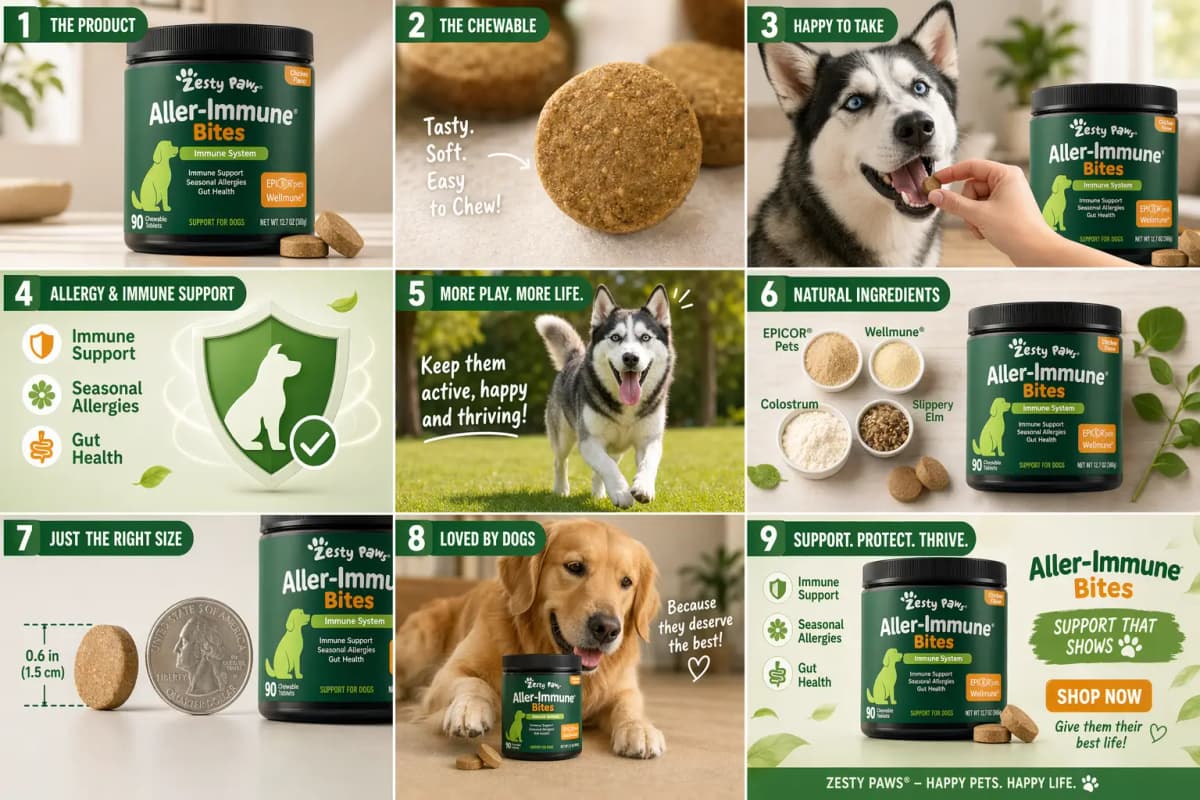
1. TikTok 3x3 Storyboards
GPT Image 2's multi-frame consistency has reached a level where it can generate complete video storyboards from a single product photo.
Upload one high-resolution product image and request a 3x3 grid storyboard. The model produces nine frames covering packaging close-ups, macro details, usage scenes, ingredient explanations, and sales frames—all maintaining product consistency.
These grids serve two purposes: input for AI video generation tools, or split into individual frames for TikTok Photo Swipe ad testing before investing in video production.
Prompt template:
Using the uploaded product photo, create a high-quality 3x3 grid storyboard (9 frames) for a TikTok short video ad. Maintain exact product consistency, brand colors, and label details across all frames. Frame 1: Product packaging close-up. Frame 2: Macro shot of the product detail. Frame 3: Usage scene with a person or pet. Frame 4: Infographic showing key benefits. Frame 5: Lifestyle action shot. Frame 6: Ingredients or materials laid out. Frame 7: Size reference shot. Frame 8: Alternative usage scene. Frame 9: Call-to-action frame with product centered. Use bright, clean, premium lighting. Include short English UI labels on each frame.
2. E-Commerce Detail Pages
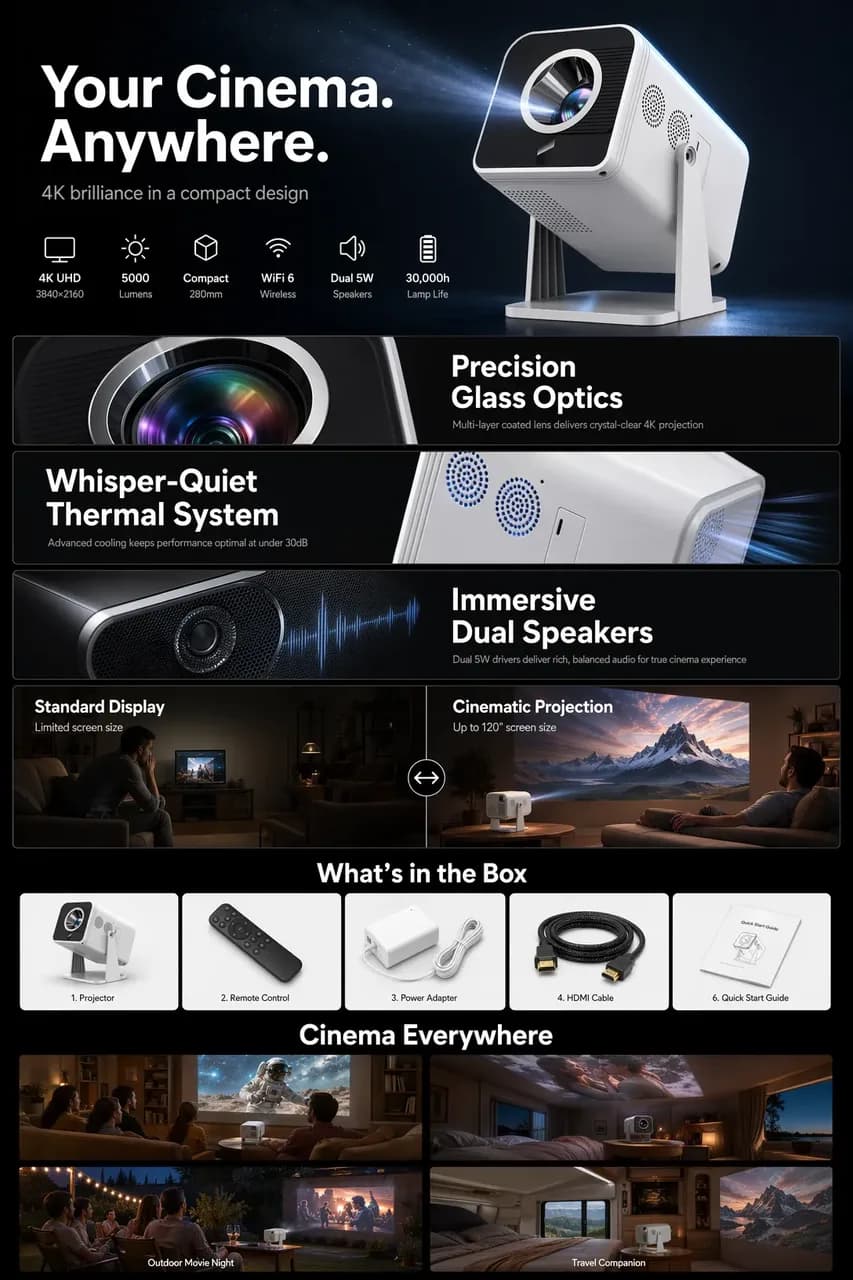
Producing a complete detail page used to require shooting, retouching, design, and layout—rarely finished in under three days.
Now, with one product main image and a description, GPT Image 2 generates the entire set: hero section, selling-point modules, feature comparisons, accessory grids, and usage-scene sections. Every block has layout hierarchy and lighting quality comparable to flagship brand stores.
Prompt template:
Using the uploaded product photo as the ONLY product reference - zero alterations. Create a complete ultra-premium e-commerce detail page, 2:3 ratio. Section 1: dark hero with volumetric light beam, bold title + spec icons. Section 2: feature showcase modules with close-up visuals + bold feature names. Section 3: before/after feature comparison. Section 4: accessories in the box grid. Section 5: use case scene grid. Apple-level typography, all text accurate. Output 2160x3240px.
3. Exploded Product Cutaways
High-ticket products need to sell what is inside, not just the exterior.
Previously, creating exploded cutaway diagrams required 3D modelers or older AI models that produced wrong component proportions and misaligned arrows. GPT Image 2 handles this from a single product photo: each core component floats in layers, technical labels point to correct parts, and spec cards display accurate information.
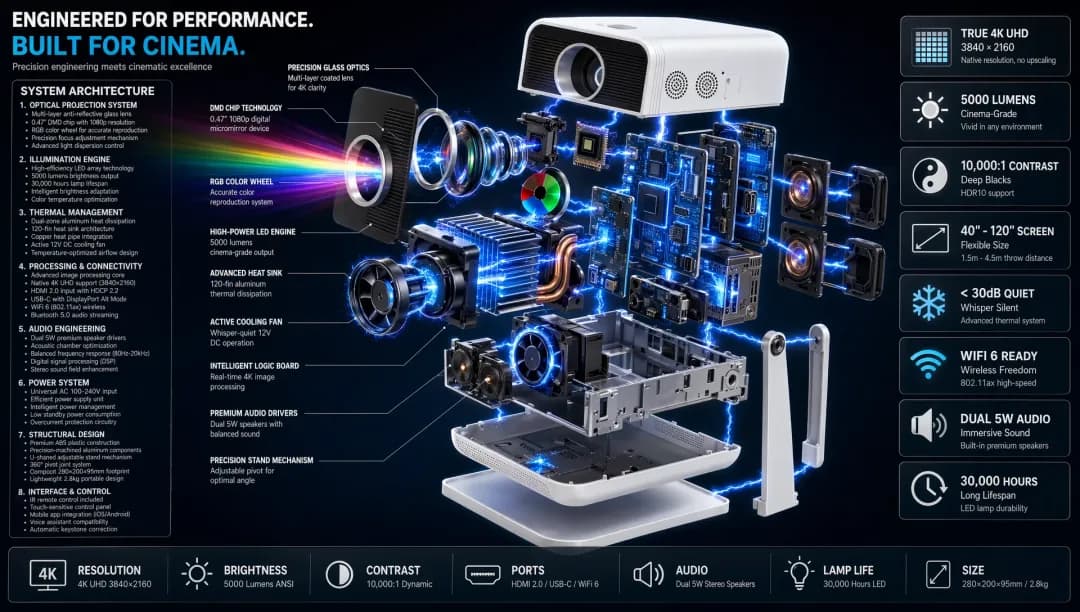
For 3C electronics, small appliances, and outdoor gear, this type of image used to take all day. Now it takes one prompt.
Prompt template:
Using the uploaded product photo as the ONLY product reference. Create a cinematic exploded-view marketing infographic, 16:9. Near-black background with accent lighting. Product dominates frame, components separated in layers with connecting lines. Arrow labels: bold title + one-line description. Left panel: numbered system groups. Right panel: frosted glass spec cards. Bottom bar: key specs with icons. All text 100% accurate. Output 3840x2160px.
4. Pinterest and Instagram Lifestyle Images
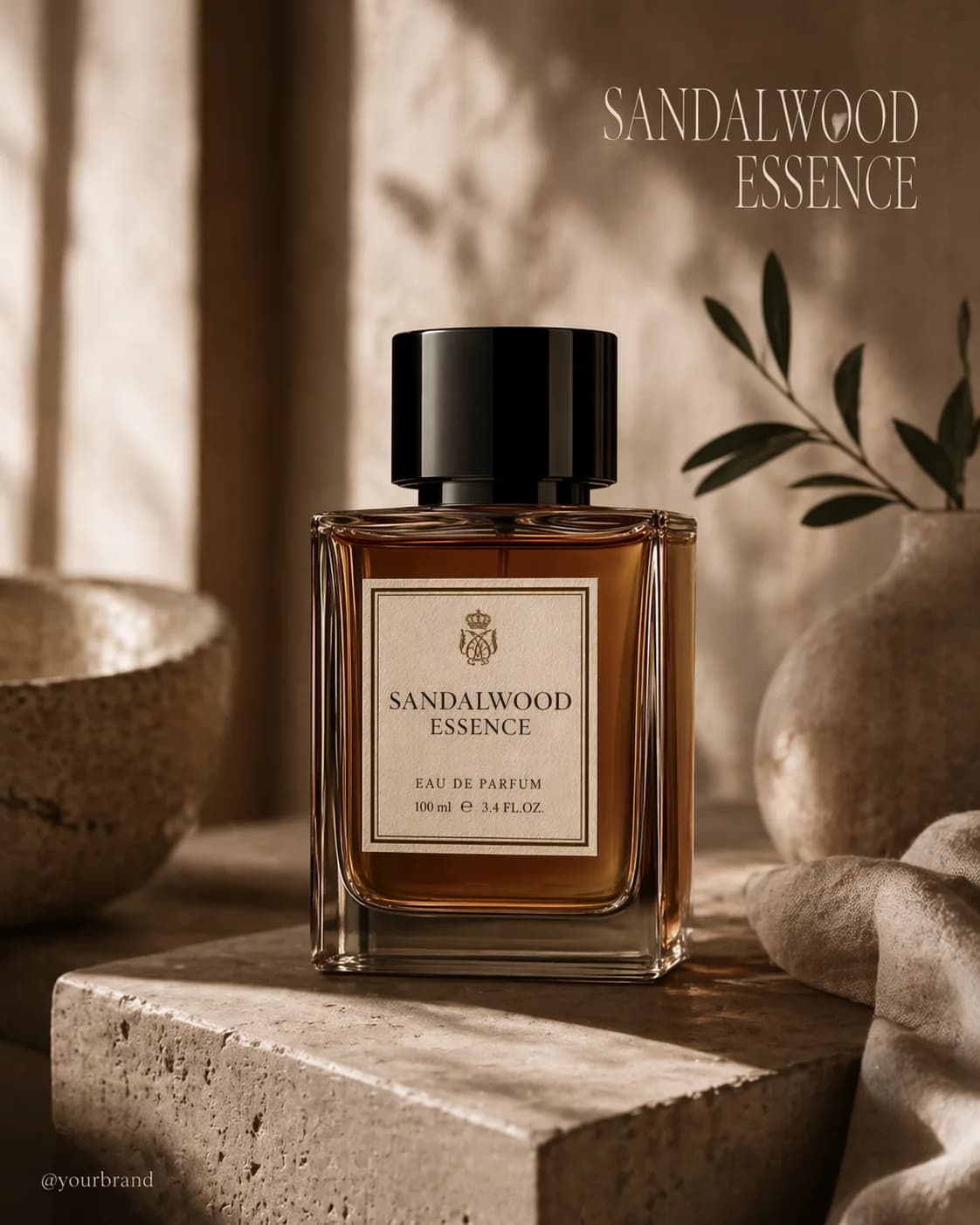
A product on a white background is just a SKU. Put it into a warm morning scene with the line "Your Monday morning, elevated." and it becomes an identity signal—the kind of image that actually sells on Pinterest and Instagram.
GPT Image 2 does not just change backgrounds. It decides what props to place, where light comes from, and how shadows should fall. The result feels like a high-quality post casually shot by a real user.
Prompt template:
Using the uploaded product photo as the ONLY product reference - preserve exact shape, texture, and color with zero alterations. Create an ultra-premium Instagram/Pinterest lifestyle editorial poster, 4:5 ratio. Product is the hero, center-front, sharp. Surrounding lifestyle props your creative choice - softer, out of focus. Natural warm morning window light. Top-right: ultra-thin serif headline. Bottom-left: @yourbrand. Kinfolk meets The Row aesthetic. Output 1080x1350px.
5. Independent-Site Hero Banners
The first screen of an independent site decides whether users keep scrolling.
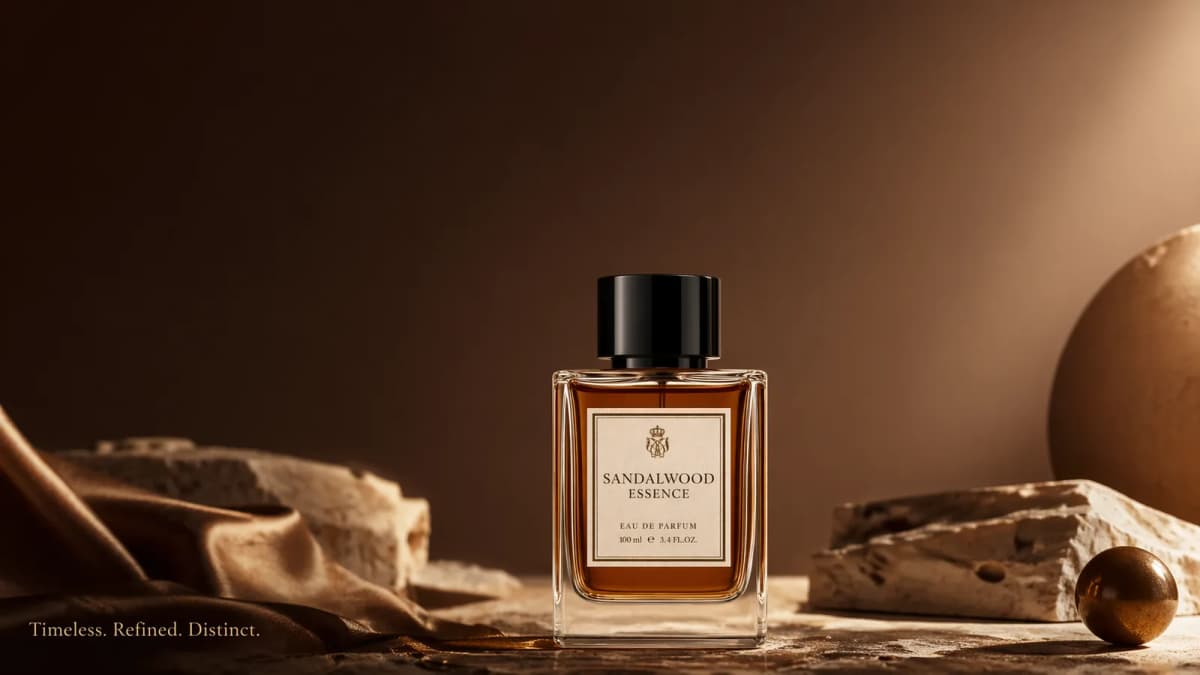
A white-background product image makes people close the page. A hero image with atmosphere, emotion, and story moves average order value up a level. GPT Image 2 places products into believable luxury environments where light, texture, and composition work together without explanation.
Prompt template:
Using the uploaded product photo as the ONLY product reference. Create a cinematic ultra-luxury 16:9 hero banner for e-commerce website. Scene, props, lighting your creative choice - high-end fashion brand quality. Bottom-left only: ultra-thin serif tagline in warm cream. Top 30% pure negative space for headline overlay. Phase One IQ4 quality, 3840x2160px.
6. Promotion Posters
Black Friday, Prime Day, year-end campaigns—every growth push means designer queues.
A single promotional poster can take three days of revisions. Once there is complex copy, traditional AI models collapse: broken fonts, typos, garbled text. GPT Image 2 reaches near-zero-typo output. Specify the campaign title, discount, and CTA. It handles background, lighting, and layout. Text comes out correct.
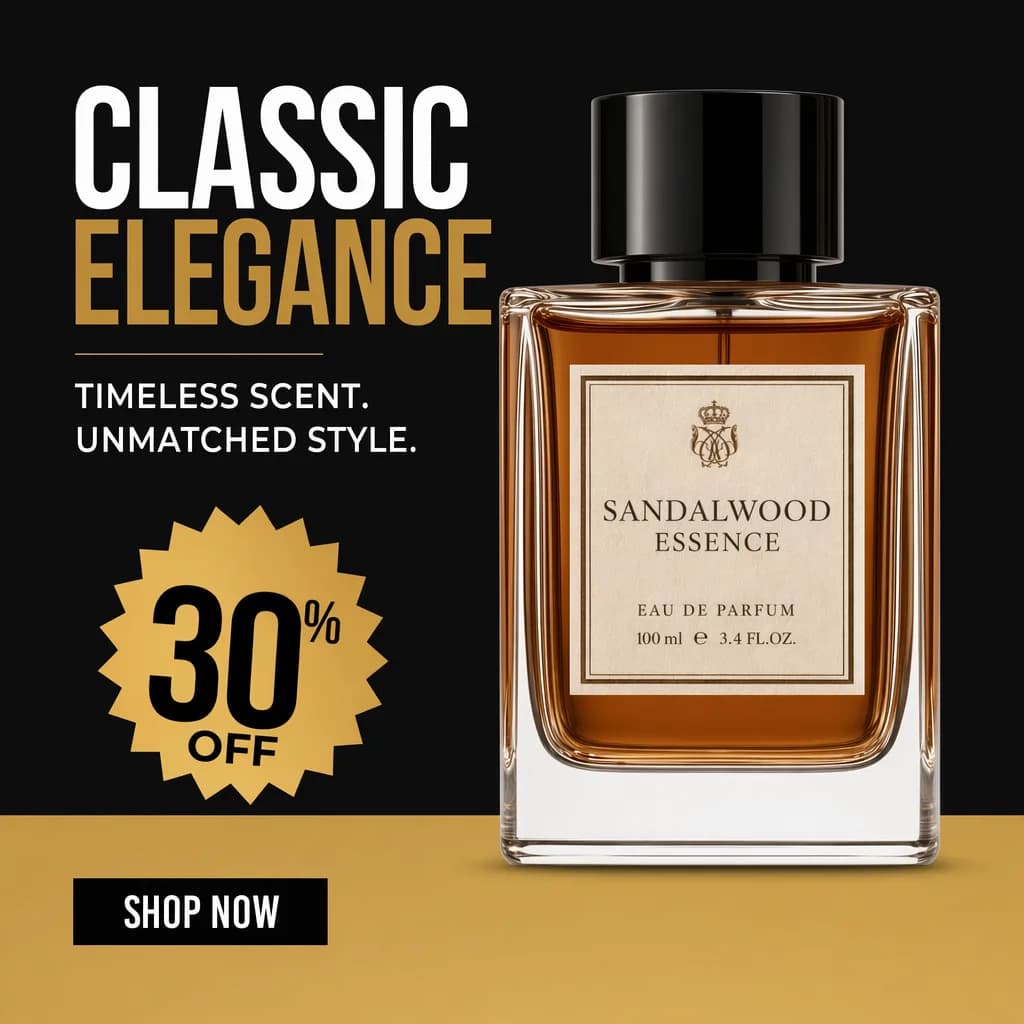
Need copy changes on campaign day? Generate another version in five minutes.
Prompt template:
Using the uploaded product photo as the ONLY product reference. Create a high-converting US-style promotional poster, 9:16 for social media. Clean bold background in brand colors or classic sale colors (red, black, gold). Product front and center, sharp and prominent. Large sans-serif headline at top: [CAMPAIGN TITLE] - make it impossible to miss. Price or discount callout in a bold badge or starburst: [OFFER DETAILS]. Clear CTA button style at bottom: [CTA TEXT]. Typography: bold, modern, retail-ready. No excessive effects - let the deal speak. All text 100% accurate. Output 1080x1920px.
7. Amazon Main Image Correction
Amazon main-image rules are strict: pure white background, product around 85% of frame, no text, long side over 1000 pixels for zoom.
Direct AI generation risks wrong dimensions or hallucinated accessories that do not exist—listing takedowns waiting to happen.
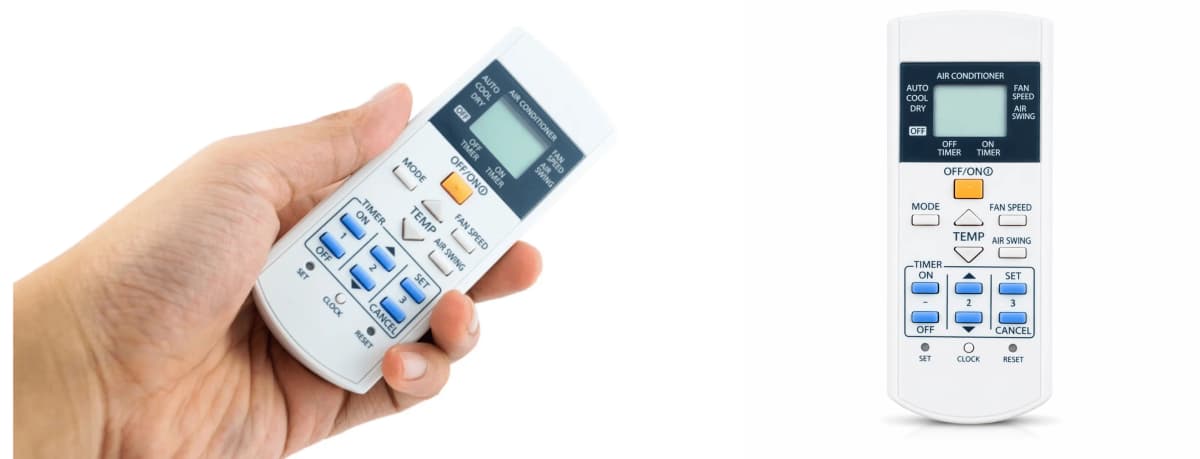
The reliable method: use a real photo as the base and let GPT Image 2 handle cleaning, lighting, and cropping. Its strength is absolute invariant locking. Labels, holes, stitching—nothing changes. It only washes the background white and adds natural contact shadow.
Prompt template:
Using the uploaded product photo as the only reference, create a clean Amazon-compliant main image on pure white background, centered, product filling about 85% of frame. No props, no text, no badge, no watermark. Only natural contact shadow. Preserve exact shape, color, label, and packaging details. Output 2048x2048px.
8. A+ Modules and Complex Infographics
A+ pages can deliver up to 20% conversion lift, but they are extremely time-consuming to produce.
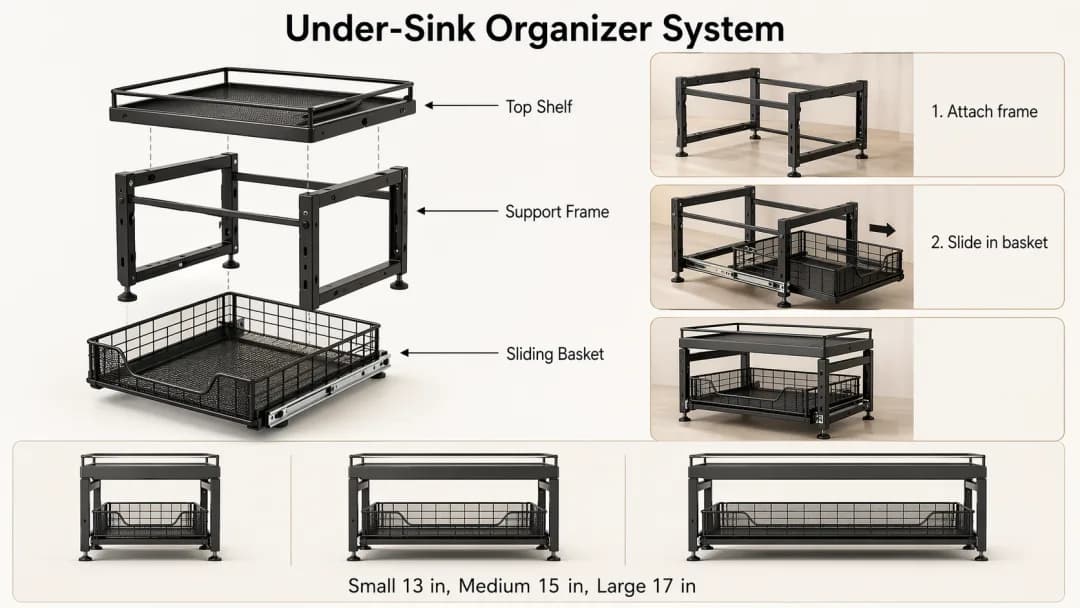
GPT Image 2 works as a high-density infographic engine. Request a 16:9 A+ image for an under-sink organizer: exploded-layer diagram on the left, three-step installation guide on the right, size comparison along the bottom. Arrows point correctly. Labels match. It does not invent nonexistent components.
Prompt template:
Create a 16:9 Amazon A+ infographic module for this product. Left side: clear exploded-view showing components. Right side: 3-step installation/usage guide. Bottom: size comparison or variant options. Use exact English text labels that match the product. Arrows must map exactly to correct parts. High density, realistic materials, no fabricated claims.
9. Material and Macro Details
Material close-ups sell tactile imagination.
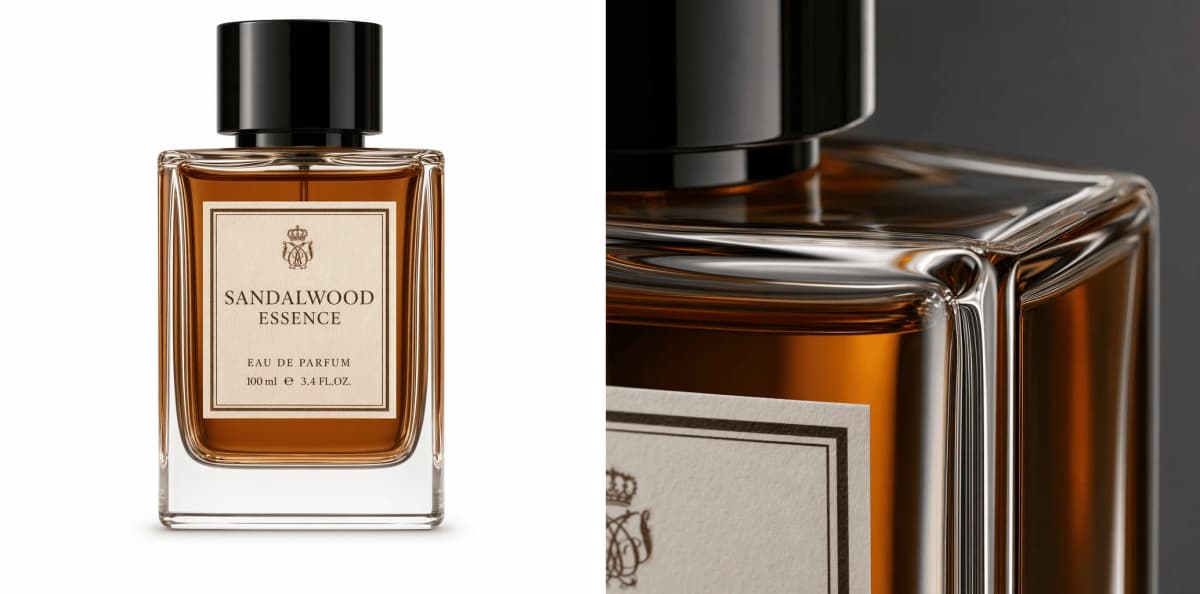
Metal that looks like plastic, matte finishes that look painted, silicone that looks like jelly—these were classic AI problems. GPT Image 2 accurately restores brushed metal sheen, tactile thread textures, and realistic reflections that follow physics. Even at 2K resolution, output looks like commercial studio photography.
Prompt template:
Using the uploaded product photo, create a macro detail image at 3/4 angle highlighting [MATERIAL TYPE] texture, [SPECIFIC FEATURE], and [FINISH DETAIL]. Ensure photorealistic micro-texture, truthful reflections, crisp focus. No plastic look. No text or lifestyle props. Minimalist dark gray background.
10. UI and Screen-Control Images
Products with screens—small appliances, smart hardware—need images showing the interface in action.
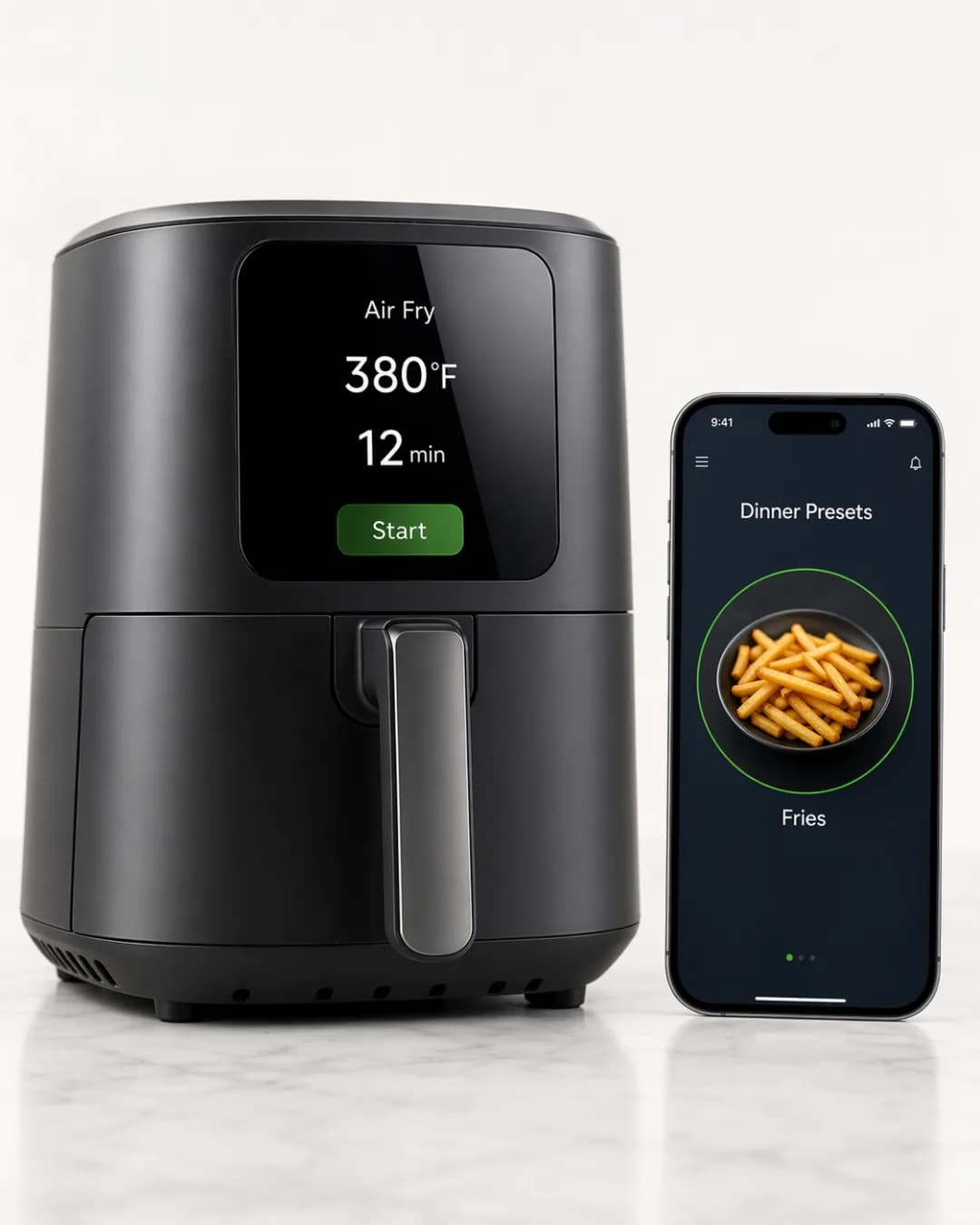
GPT Image 2 not only writes screen text accurately but handles realistic glass reflections without blocking key information. Specify "380°F" and "12 min" and the display shows exactly that, with proper bezel boundaries and icon placement.
Prompt template:
Based on the uploaded smart device photo and App UI reference, create a 4:5 e-commerce image showing hardware screen and mobile App in sync. Device body remains exactly unchanged. Device screen must display exactly: [SCREEN TEXT]. Mobile App must display exactly: [APP TEXT]. Ensure realistic screen glare that does not obscure text, sharp icons, correct bezel boundaries.
Conclusion
The production logic for e-commerce visuals has shifted. The old assumption—that AI does not understand products, so visual strategy depends entirely on human designers—no longer holds.
GPT Image 2 has absorbed a decade of premium layout and graphic design logic. It understands what detail pages should look like, where promotional text should sit, and how product materials should reflect light.
This does not mean designers are replaced. It means image iteration becomes an operations task, not exclusively a design task. Judgment remains valuable. Execution is becoming cheap.
Nexscope provides structured ecommerce data that teams can use in focused web tools or connect to their existing Agent through API, MCP, or Skills. Ready workflows include Keyword to Ads, Video Clone, and Buy Box Repricer.
Connect Ecommerce Data to Your Agent
Use Nexscope through API, MCP, or Skills, or open a ready seller workflow.
Explore Ecommerce Data →1,000 free credits • API, MCP & Skills
Frequently Asked Questions
What is ChatGPT Images 2.0?
ChatGPT Images 2.0 (also called GPT Image 2) is OpenAI's upgraded image generation model released in April 2026. It features stronger instruction adherence, "thinking" capability for complex prompts, and improved multilingual text rendering compared to earlier versions.
How many images can I generate per day?
Free users can generate 2-3 images per day. ChatGPT Plus subscribers get approximately 50 images per 3-hour window, with a daily maximum around 200 images. Enterprise and Team plans have higher limits.
Can GPT Image 2 render text accurately in images?
Yes, this is a major improvement over earlier models. GPT Image 2 can render readable text in multiple languages including English, Chinese, Japanese, Korean, and Hindi with significantly better accuracy. It handles UI elements, small text, and dense compositions reliably.
What resolution does GPT Image 2 support?
Standard outputs are 1024x1024. Through the API, images can reach up to 2K resolution. The model supports flexible aspect ratios for different formats like social posts (4:5), banners (16:9), and Stories (9:16).
Are AI-generated images watermarked?
Images include invisible metadata (C2PA Content Credentials) that identifies them as AI-generated. There is no visible watermark on paid plan outputs. Free tier images may include visible watermarks in some regions.
Can I use GPT Image 2 outputs commercially?
Yes. Images generated through paid ChatGPT subscriptions (Plus, Team, Enterprise) can be used commercially. Users retain rights to images they create according to OpenAI's terms of service.
Sources
- OpenAI. (2026). GPT-4o Image Generation. Retrieved from openai.com
- Amazon. (2026). Product Image Requirements. Retrieved from sellercentral.amazon.com
- Statista. (2025). E-commerce Visual Content Statistics. Retrieved from statista.com