

10 Practical Ways to Make Money With GPT-6 Astra

GPT-6 Astra business ideas become easier to evaluate when each one ends with something a customer can use: a working storefront, an edited video, a recurring product check, or a research report. A service needs a defined buyer, a clear deliverable, and a workable way to review the result.
OpenAI describes Astra as a model for complex reasoning, coding, computer use, research, and document creation. Its usefulness depends on the tools and access configured around it. A connected development environment, a video editor, and an ecommerce data source enable different tasks. OpenAI's model documentation explains that distinction through its supported tools and output modalities.
The ten ideas below are practical service concepts to test, with ecommerce store creation first and business automation close behind. Each explains the customer problem, a possible workflow, and the work that still needs human judgment. Start with a small deliverable that can be checked, priced, and improved through actual customer feedback.
The ten workflow illustrations show example inputs and deliverables. They are conceptual visuals, not screenshots of independently tested Astra projects.
1. Ecommerce Store Launches
An online store gives this list a direct ecommerce starting point. A merchant with products and photographs may still need collection pages, useful descriptions, mobile layouts, and a complete path from product discovery to checkout.
Astra can assist with planning the site, drafting pages from approved product facts, writing theme code, and inspecting a preview through the tools available in its environment. An example project might turn a ceramic brand's product spreadsheet and photography into a small storefront with clear variants, shipping information, and product care instructions.
There are two business models: sell products through an owned store, or charge merchants for a defined launch package. The second model sells a deliverable; the first also requires product demand, traffic, fulfillment, and ongoing operations.
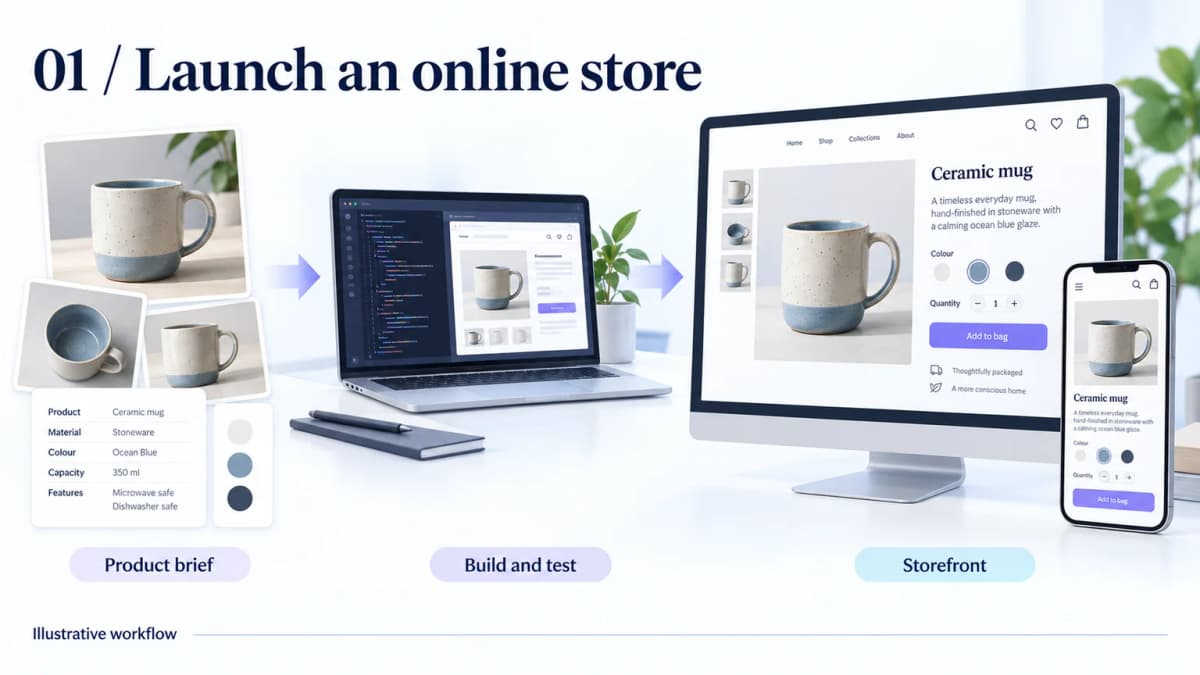
For a Shopify project, connecting Codex to the right Shopify interfaces is a separate task from designing the storefront. Before launch, review product facts, payment settings, shipping rules, and test orders. Shopify's store setup checklist includes setup, organization, testing, launch, and promotion. A launch package should specify which of those responsibilities it covers.
For the research behind a store launch, connect Nexscope ecommerce data to a GPT-based agent through REST API or a supported MCP integration. Product, keyword, pricing, and review data can help the agent compare a proposed range with competing listings and identify questions the product pages should answer. Use those findings to refine product selection, positioning, and page content before investing in the launch. This gives a store-building service a research component that supports the merchant's commercial decisions.
2. Video Editing Services
Product demonstrations, interviews, and creator footage often need several finished versions. The valuable deliverable is an edit that communicates the intended message, with usable audio, accurate captions, and the right dimensions for its destination.
A focused offer could include one product video, a vertical cut, caption files, and an organized project folder. Supply the footage, licensed audio, style references, and editing brief. Where a supported editor or command-line workflow is connected, Astra can be assigned preparation, sequencing, caption drafting, and export checks.
Video editing through tools requires an actual editing and rendering environment. OpenAI's computer-use documentation describes how a model interacts with an environment; it does not mean a text response is a rendered film.
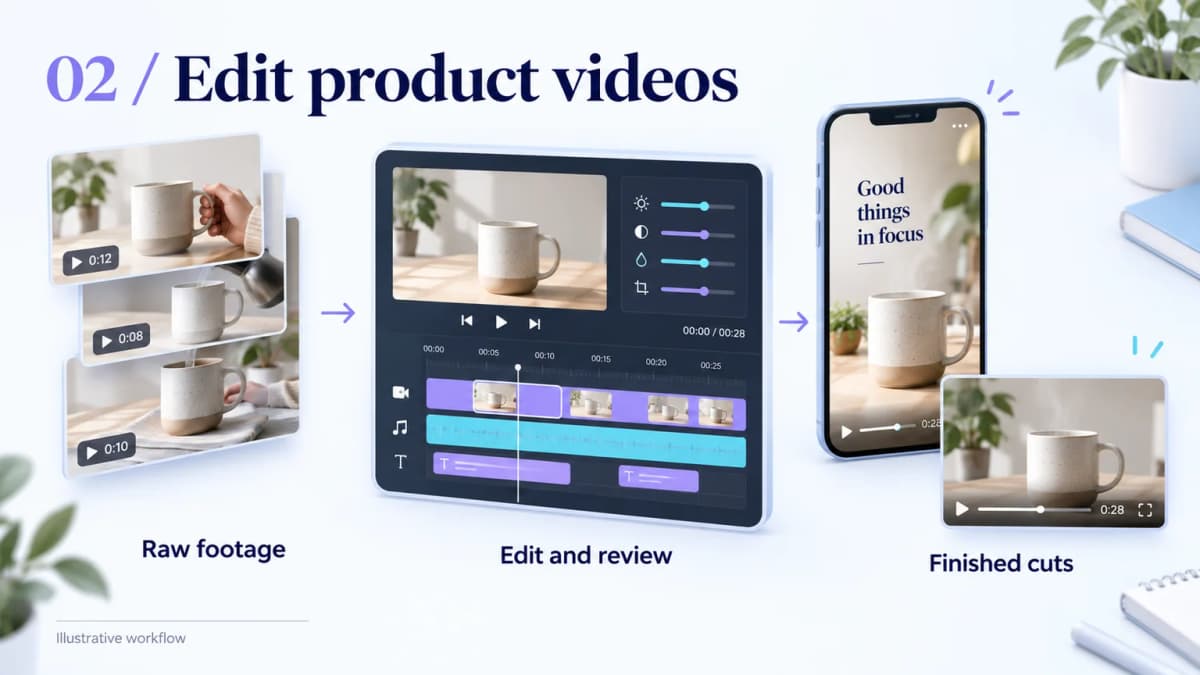
A human editor still needs to judge pacing, product accuracy, sound, and continuity. Define the source-footage limit and included revisions before quoting. That makes it possible to compare AI and tool costs against the time spent producing an acceptable final cut.
3. Ecommerce Workflow Automation
A merchant who repeatedly copies product information into a spreadsheet has a specific automation problem. So does a team that manually checks a competitor shortlist before its weekly meeting. These tasks offer a more manageable starting point than automating the entire business.
For an Amazon comparison workflow, retain each product's ASIN and marketplace and save a dated record of the relevant fields. The team's workflow can then compare successive records and prepare a review queue, keeping the original evidence available for inspection.
Astra's role can be to help implement the integration, normalize responses, and explain flagged differences. A retailer might begin with a daily checklist for a small set of competing products, then expand after the checks prove useful.
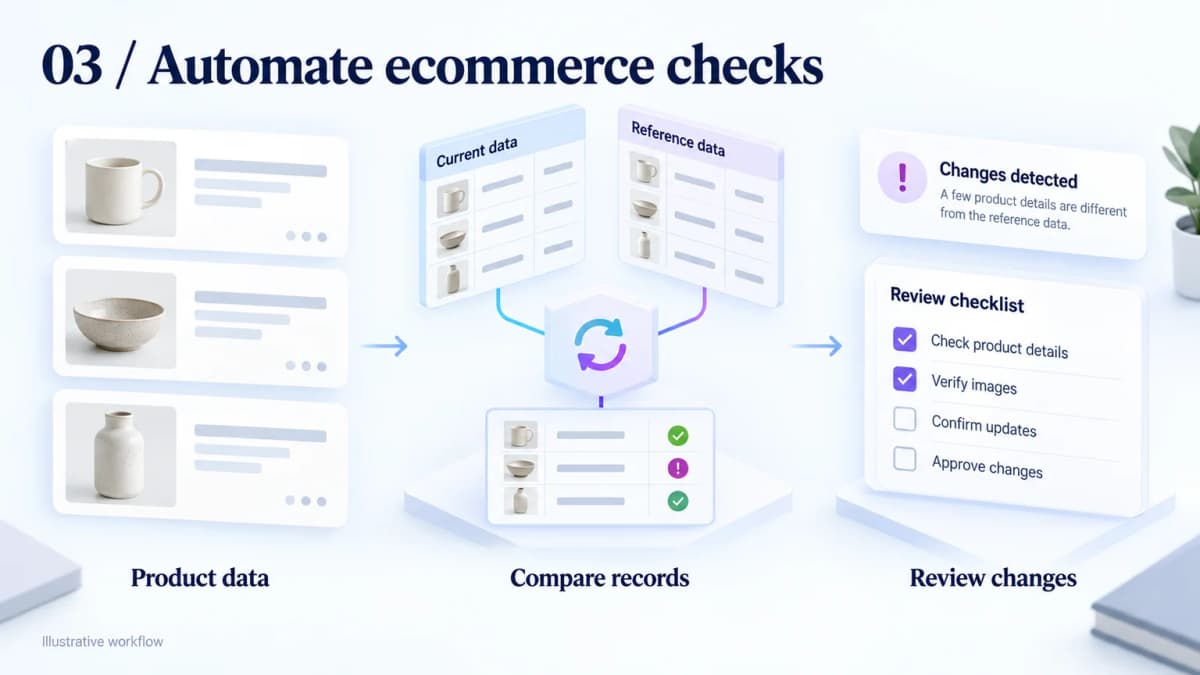
Missing fields and failed requests need their own status. An unavailable price cannot safely be interpreted as zero or as a price change. A paid service can combine initial implementation with ongoing monitoring, error handling, and small workflow adjustments. Recurring fees should correspond to that continuing work.
To implement that service, use Nexscope's product details as the data input for the team's GPT workflow. Retrieve the supported listing content, pricing, and variant fields, then let the configured automation store snapshots and flag differences for review. The merchant receives an actionable checklist, while the service provider can charge for setup, maintenance, and reliable recurring checks.
4. AI Workflow Consulting
Some ecommerce teams need help deciding what to automate before they need someone to build it. A consultant can identify the business question, map the required information, and define who reviews the output.
Consider a brand trying to understand why customers return a product. Its own return records provide one perspective. Relevant marketplace customer reviews can add product complaints and competitor context. A proposed workflow could retrieve a defined review sample, group recurring issues, preserve the underlying evidence, and send a draft summary to the product team.
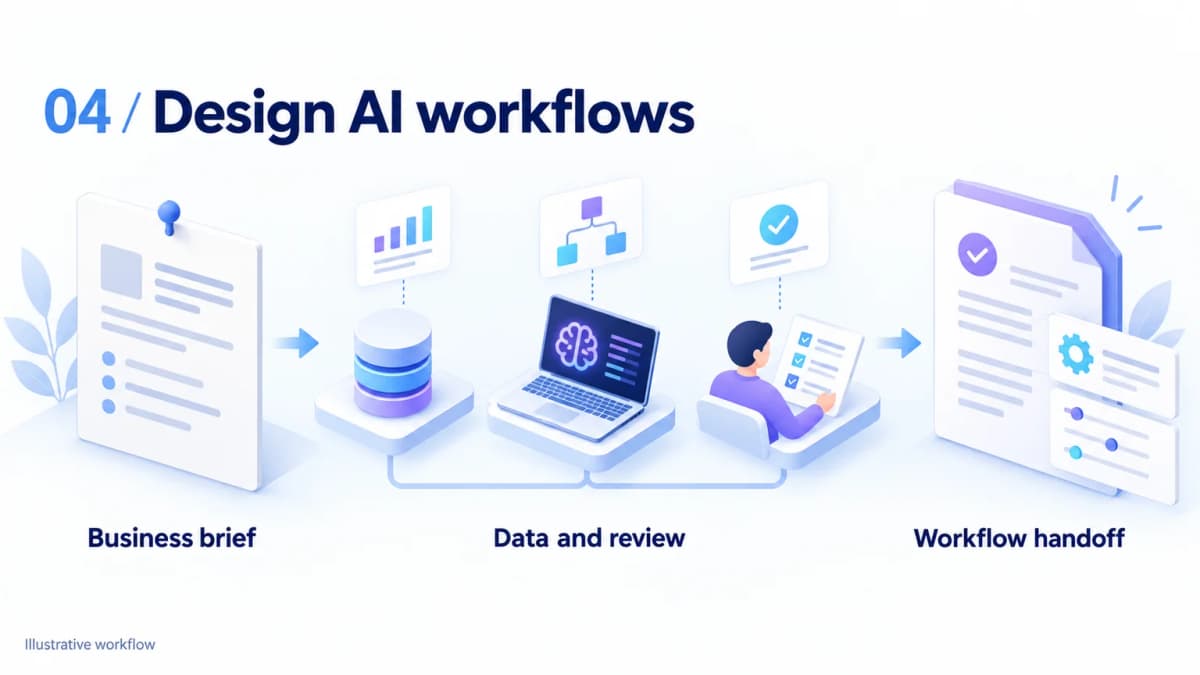
Astra helps the consultant organize the evidence and draft an analysis; the consultant decides whether the data actually supports the decision. A review sample is not the same as the customer's complete experience or a measured return rate.
A concrete consulting package might include a workflow map, one working pilot, a data dictionary, and an operating guide. Set review ownership and success criteria before expanding into additional processes. This gives the client a process the team can understand and maintain.
A practical Nexscope integration for this pilot is to bring customer review data into the client's GPT-based agent through REST API or MCP. Keep the product identifiers, review dates, and sampling filters with the analysis so the client can trace each proposed improvement to its evidence. The consulting deliverable becomes a working research process with a documented data connection, which can support an implementation fee and ongoing advisory work.
Explore Customer Reviews API →
5. Game Prototype Development
A small game prototype can answer a focused question: is the movement enjoyable, is the core puzzle understandable, or does the level communicate the intended challenge? That makes prototyping a useful service for developers and small studios exploring an idea.
Start with one mechanic, one level, and a clear control scheme. Astra can be tasked with code generation, iteration, and testing inside a configured development workflow. Provide original or properly licensed assets and specify the engine, target device, and expected handoff.
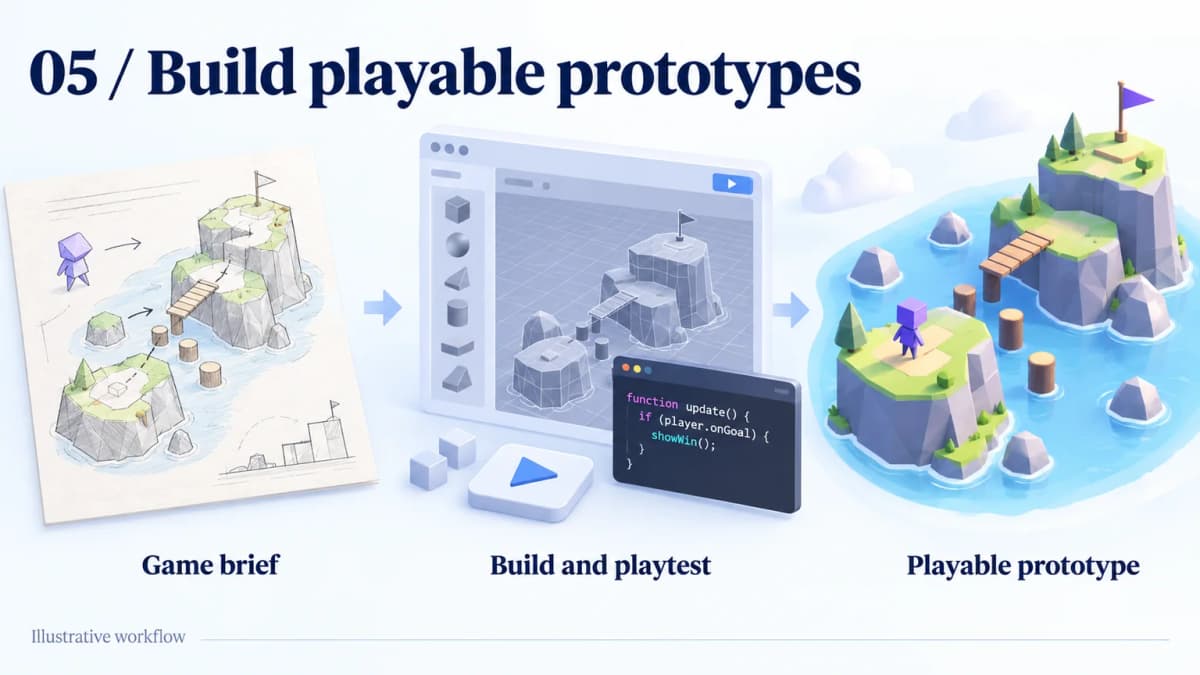
The commercial deliverable should be a reviewable build and its source project, with a short explanation of what works and what remains incomplete. Playtest the actual build for movement, collisions, restart behavior, and confusing interactions.
A playable prototype has a narrower scope than a production game. Multiplayer, performance across devices, progression systems, and platform distribution can become separate projects. Keeping the initial scope small helps a buyer decide whether the concept deserves further development and helps the developer estimate the work honestly.
6. Real Estate Visualizations
A property visualization can help an agent or designer explain a space through an architectural scene, a proposed furniture layout, or a short walkthrough. The inputs matter: verified floor plans and dimensions support a different deliverable from photographs alone.
A potential Astra workflow combines reference analysis, scene scripting, and iteration in a connected 3D environment. A designer then checks room relationships, fixtures, materials, lighting, and the camera route before rendering a film.
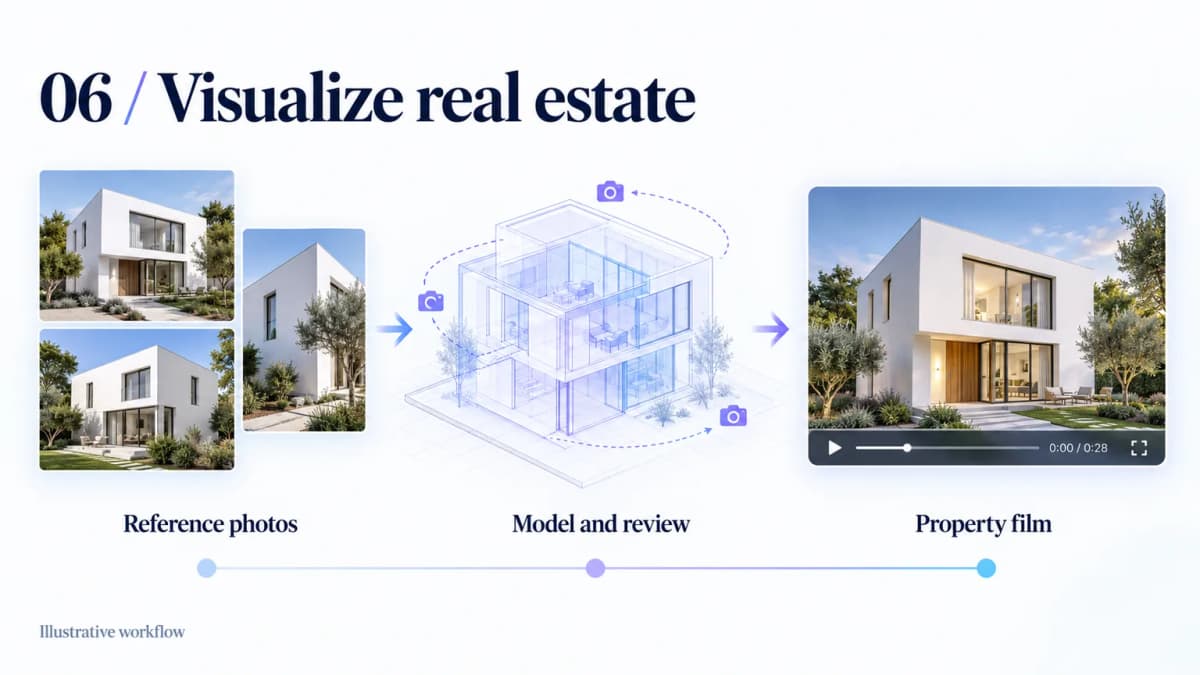
A practical package might include a short property film, several still views, and the source scene. State whether the work represents the existing property, a proposed design, or a conceptual reconstruction. Dimensions or layouts inferred from photographs require verification before being presented as accurate.
Start with a room or a small property whose source material is complete. The paid value comes from a clear and useful presentation, together with an organized correction process. Avoid quoting an entire building as though every hidden surface and structural relationship can be recovered from a few listing photos.
7. Software Development Services
Small software projects often stall on the work around the first implementation: fixing edge cases, connecting data, testing forms, and preparing a usable handoff. That makes a well-defined feature or internal tool a practical service to offer.
An example is a booking interface with an admin view and email notification integration. Begin with acceptance criteria that describe real behavior: what happens when a slot is unavailable, a form is incomplete, or the external service fails. Use Astra within the development environment to implement and check bounded tasks.
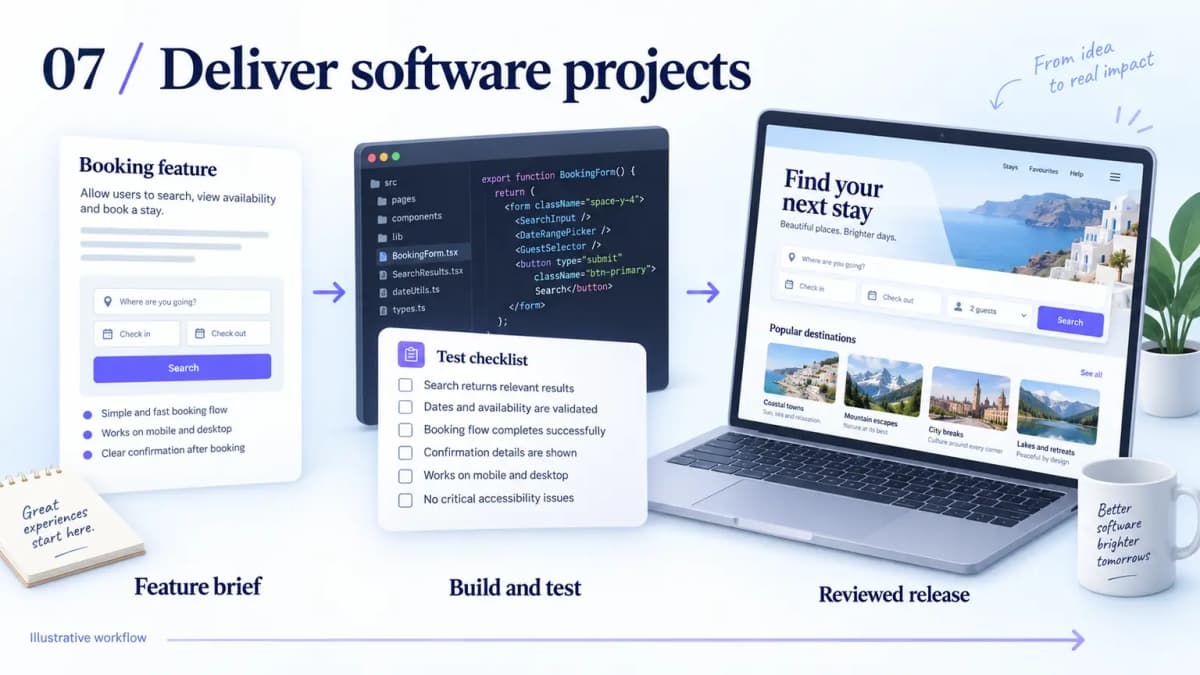
The deliverable should include evidence that the requested behavior works. Depending on the project, that means relevant tests, a preview, deployment instructions, and a known-issues list. A developer still owns architecture, data handling, code review, and the client's expectations.
Sell a narrow project that can be scoped and accepted. A faster first draft does not automatically justify taking on several additional clients. Track the complete delivery cycle, including revisions and support, before increasing workload.
8. Custom 3D Assets
A reusable product model serves a different need from a complete property scene. Ecommerce teams, designers, and developers may need an editable lamp, package, furniture item, or prop for images, animation, or an interactive experience.
Provide reference views, dimensions when available, material information, and the intended destination. An Astra-assisted workflow could use code and a connected 3D application to prepare the geometry and scene, then revise the asset against the reference. A modeler checks the result and prepares the final files.
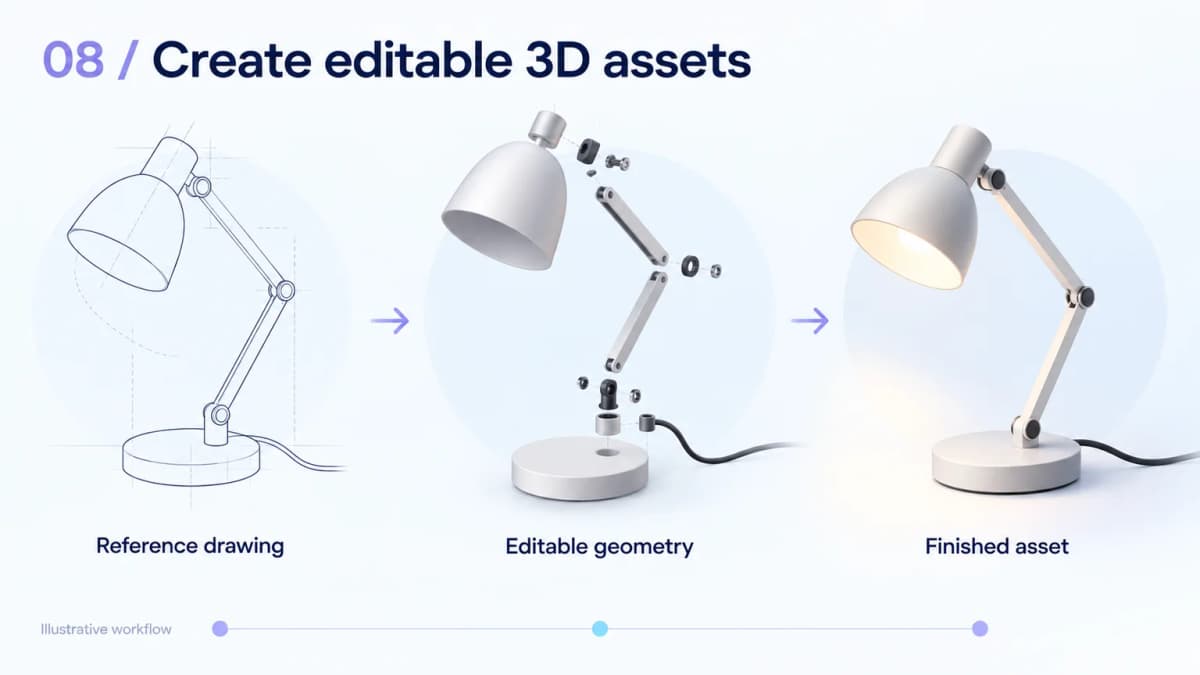
Agree on the asset specification before producing it. A product render, a game asset, and a model intended for manufacturing have different requirements. Clarify scale, file formats, materials, component separation, and whether animation is included.
A useful first offer is one editable asset with agreed preview views and a revision allowance. Inspect the actual geometry and exported file, not only a flattering render. Materials, topology, and handoff quality determine whether the customer can reuse the model after delivery.
9. Competitive Intelligence Subscriptions
A recurring report becomes useful when it helps a specific buyer make a recurring decision. An ecommerce category manager may want to know which comparable products changed price, whether a promotion ended, and which developments deserve investigation.
Define the marketplace, competitor set, observation window, and report schedule. For Amazon pricing research, a workflow can retrieve supported price-history series through Nexscope, then compare the same price type over a consistent period. A deal price, a list price, and a marketplace new price describe different things.
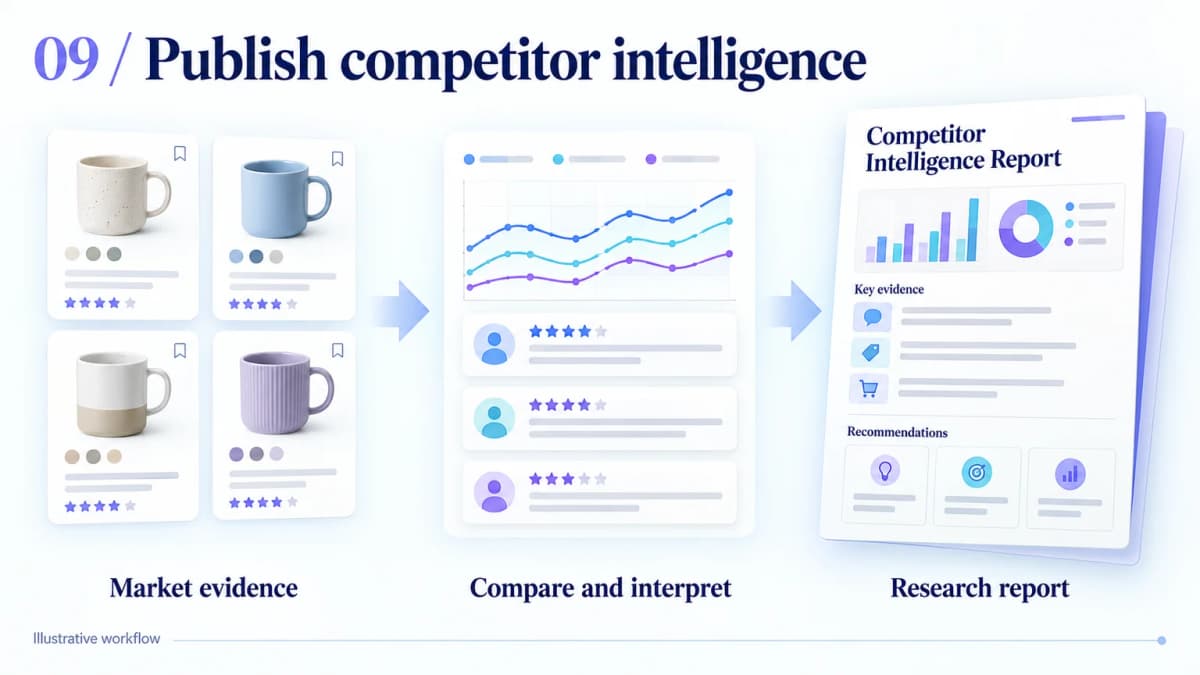
Astra can help organize observations and prepare an initial explanation. The analyst checks the source records, removes weak comparisons, and writes the implications. A repeatable product research workflow can support that evidence-gathering stage.
Every report should separate observed changes from interpretations. A price reduction alone does not establish why a competitor acted or whether its sales improved. Subscription value comes from consistent coverage, useful judgment, and clear answers to the customer's recurring questions. Confirm data licensing and redistribution terms before packaging third-party data for clients.
10. Educational Content Production
Training providers, software businesses, and specialist creators need material that explains something clearly. A focused lesson is a useful starting point: a product onboarding video, a photography technique, or a short software tutorial.
Astra can assist with research, lesson structure, scripts, and production coordination through connected tools. The proposed workflow might turn an approved outline into a storyboard, a narrated edit, and a shorter excerpt. Image, audio, and rendering tools perform their respective media tasks.
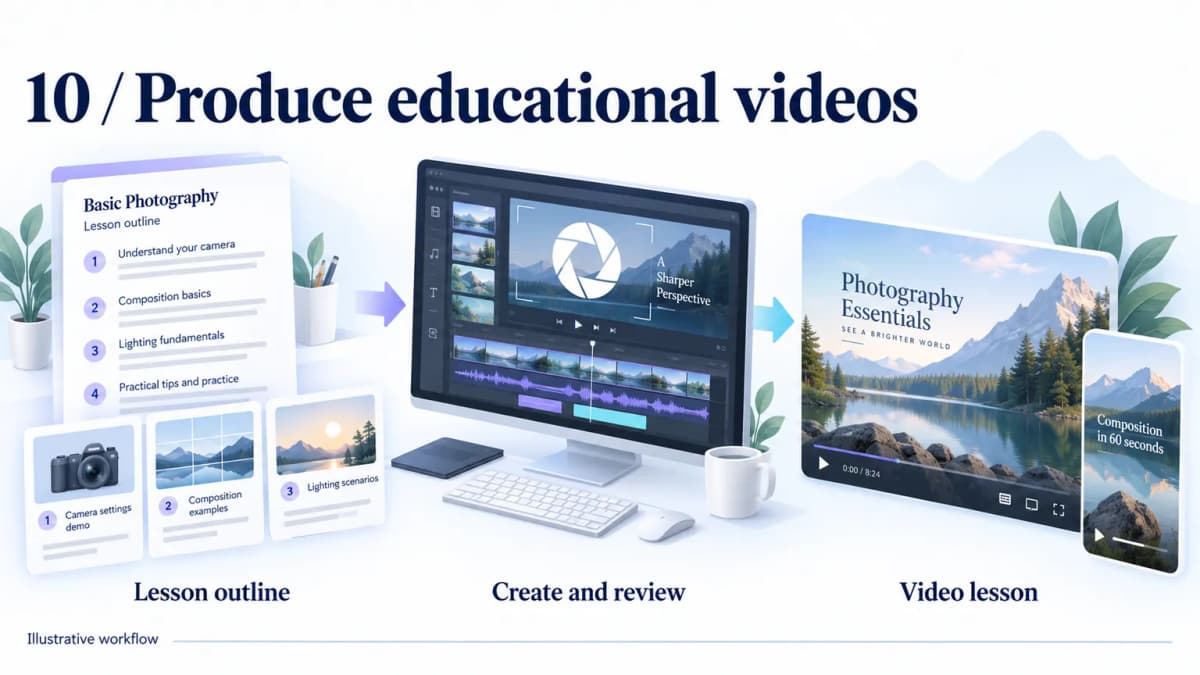
Subject knowledge and editorial review remain central to the offer. Check the explanation, demonstrate the actual steps, and make sure narration matches the visuals. Use authorized voices and media. For technical lessons, repeat the procedure in the current software before delivering it.
Possible packages include one onboarding module, a short training series, or a recurring tutorial schedule. A sample lesson helps a buyer assess clarity and production quality. Expand the schedule after the review process works, so additional volume does not multiply factual or visual mistakes.
Controlling Delivery Costs
A viable service needs to cover the whole delivery process. Model usage is one cost alongside data access, editing or rendering tools, hosting, and human review.
As checked on September 9, 2026, Astra's standard text API rates are $10 per million input tokens and $50 per million output tokens. Prompts above 272,000 input tokens have higher rates for the full request, and processing modes can change pricing. Check the current model pricing before quoting a project. API billing and a ChatGPT or Codex subscription allowance are different cost considerations.
For illustration, a standard-rate task using 100,000 uncached input tokens and 20,000 output tokens would have a base text-token cost of:
(100,000 ÷ 1,000,000 × $10) + (20,000 ÷ 1,000,000 × $50) = $2.
That example excludes tool charges, cache-write charges, additional calls, retries, and human time. It is a calculation, not a measured cost for any of the ten workflows.
Assign models by task difficulty and compare the cost of a successfully completed deliverable. Keep briefs focused, retain useful intermediate files, and stop repeated attempts when a specialist correction would be faster. OpenAI's Astra guidance supports adjusting reasoning to the work, but a cheaper setting still needs to meet the acceptance criteria.
For data workflows, Nexscope Data APIs use pay-as-you-go Data Credits. Budget those separately from model tokens and any creative-tool subscriptions.
Conclusion
The most practical starting point is a service with a buyer the provider understands and an output the buyer can evaluate. Store launches, product videos, and small automation projects each make that outcome visible. Research subscriptions and consulting add recurring value when the evidence and decision process are clear.
Choose one direction, define a small paid pilot, and record the total delivery effort. That produces a better basis for pricing and expansion than a viral demo or an assumed efficiency multiplier.
Build Paid Services With Nexscope APIs
Nexscope APIs bring ecommerce data, image generation, and video generation into the same service workflow. Data APIs supply product, keyword, pricing, and review information for research. Image and video APIs provide the creative capabilities needed to turn an approved brief into product visuals, promotional clips, and client deliverables.
Connect the relevant endpoints as tools in a GPT-based agent or application through REST API, or use MCP where the selected capability supports it. GPT can help plan the work, request data, prepare creative instructions, and review returned results. The configured integrations perform the data and media tasks, while the team retains control of the workflow and final delivery.
For a store launch, that combination can connect product research with listing content and campaign assets. For an agency, it can support a broader paid package that includes analysis, images, and video production. Build around a deliverable customers value, then use Nexscope's data and creative capabilities to make the service more useful and repeatable.
Put Your GPT Workflow to Work
Connect ecommerce data, image generation, and video APIs to build stores, create assets, and deliver paid services.
Explore Nexscope APIs →Frequently Asked Questions
Can you make money with GPT-6 Astra?
GPT-6 Astra can support work that a customer pays for, such as development, editing, research, or business-process implementation. Earning revenue still requires a useful offer, a buyer, and acceptable delivery quality. Begin with a defined pilot and track model usage, tools, revisions, and human time. The ideas in this article are proposed service directions, not verified earnings results.
Which ideas require coding experience?
Software development, game prototypes, and custom automation benefit substantially from coding experience because someone must validate integrations, diagnose failures, and maintain the result. Store launches and content production may use more visual tools, but they still require platform or editorial expertise. Consulting requires enough technical understanding to judge whether the proposed workflow and its data are suitable for the client's needs.
Can GPT-6 Astra launch an ecommerce store?
Astra can assist with tasks such as planning pages, drafting content, writing code, and reviewing a storefront when the required tools are available. Merchant account setup, payment configuration, shipping rules, product facts, and final launch decisions remain separate responsibilities. A configured connection also needs the right store permissions. A completed storefront creates a sales channel; customers and profitable operations require further work.
How should an AI-assisted service be priced?
Price a defined outcome with clear scope, acceptance criteria, and revision limits. Estimate the full cost of delivery, including model usage, data access, software, rendering, review, and support. A fixed project fee can suit a store or a single asset; recurring fees should cover actual ongoing work. Use results from completed pilots to improve estimates instead of assuming a universal AI profit margin.
How can Astra workflow costs be reduced?
Match task difficulty to model choice and reasoning effort, use focused briefs, and preserve useful work instead of repeating an entire session. Measure the cost of the accepted result, including failed attempts and human corrections. Token prices alone cannot determine the cheapest workflow. Check current pricing rules and account allowances, then set a review point for tasks that keep exceeding the planned effort.
Sources
- OpenAI. (2026). GPT-6 Astra model documentation and pricing. Retrieved from developers.openai.com.
- OpenAI. (2026). Computer use. Retrieved from developers.openai.com.
- OpenAI. (2026). Using GPT-6 Astra. Retrieved from developers.openai.com.
- Shopify. (2026). General checklist for starting a new Shopify store. Retrieved from help.shopify.com.