

How the Niu Lai Movie Went Viral and Sparked a Merch Rush
The Niu Lai movie went from earning barely $1,000 during its first week in Chinese theaters to becoming a global meme and an ecommerce trend. Also known as The Bull Comes, the low-budget film drew attention for its simple low-poly animation, unusual dialogue, and the mother-and-son team that reportedly spent five years making it.
Short clips soon reached international platforms, while sellers listed Niu Lai figures on Amazon. That speed exposed a familiar ecommerce problem: viral demand can appear before anyone completes an intellectual-property review.
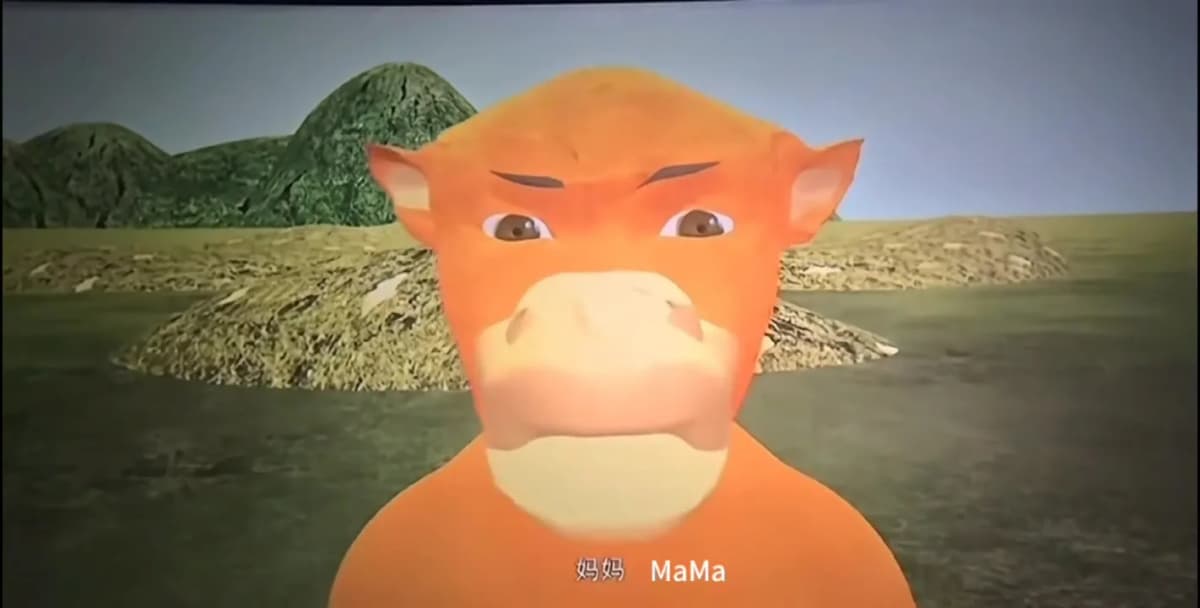
Frame from the TikTok clip shared by Chinese Beauty, reviewed August 26, 2026.
From Box-Office Flop to Viral Hit
The $1,000 First Week
Niu Lai opened in China on August 5, 2026, with almost no mainstream marketing. Reuters reported that it earned just over $1,000 during its first week. Its homemade animation initially attracted more criticism than ticket sales.
Screenshots and clips then circulated online. Viewers bought tickets to see why it looked so different from a conventional theatrical release. By August 20, Reuters reported that the film had earned more than $4 million. The two figures describe different stages of the same rapid reversal.
Internet Humor Changed the Outcome
Niu Lai spread through audience participation. People quoted its dialogue, recreated its movements, shared handmade theater posters, and attended group screenings. A ticket became entry into an online conversation. For sellers, that matters because social participation can generate product searches even among people who have not watched the movie.
How Niu Lai Reached Global Feeds
Short Clips Crossed Language Barriers
The supplied TikTok clip lasts about 13 seconds and shows the orange calf saying “Mama.” Viewers do not need the plot to recognize its character and animation style. When reviewed on August 26, the post displayed about 753,000 views, 26,500 likes, and 13,900 shares. The changing figures still provide direct evidence that the film had moved beyond Chinese-language platforms.
Imperfection Became the Hook
The movie’s limited polish made it recognizable in feeds filled with professional animation. Low quality is not a repeatable marketing strategy. Industry sources quoted by Reuters called the success a low-probability event driven by public emotion. Sellers tracking TikTok Shop product trends should therefore examine remixes, comments, searches, and whether interest is spreading across independent communities.
Why Merchandise Followed the Meme So Fast
Amazon Listings Appeared Quickly
An Amazon US search for “Niu Lai” on August 26 returned a mixed page of physical products, music, and books. One visible listing offered a “NIU Lai Character Ornament with 3D Printed Texture” for $19.99 and labeled it as new within the past month.
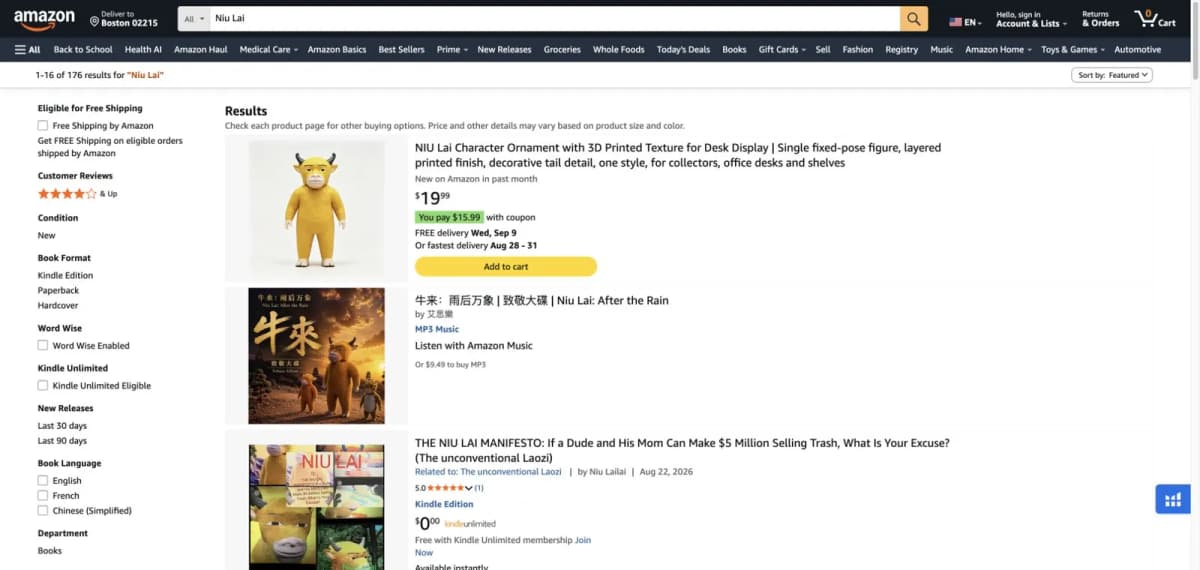
Amazon US search results captured August 26, 2026. Search counts include unrelated or adjacent media and should not be treated as verified merchandise sales.
The screenshot confirms that a recognizable character product was available. It does not prove sales, licensing, or the relevance of every result.
Flexible Production Cut Lead Times
The ornament was marketed as a 3D-printed product. A seller can produce a small batch without investing in a traditional mold or sending thousands of units into FBA. This lowers inventory exposure when validating Amazon product demand, but it does not reduce intellectual-property risk.
Traffic Did Not Prove Demand
Search results, “Only one left” messages, and unavailable pages are weak evidence. A page may disappear because inventory sold out, the seller closed the offer, or Amazon acted. The reported claim that one seller received 6,000 orders in a day could not be independently verified. Viral reach should stay separate from confirmed transactions and repeat demand.
The IP Risk Behind Viral Merchandise
Character Art and Copyright
Original character artwork can receive copyright protection once it is fixed in a tangible form. Downloading a fan model, tracing a screenshot, or changing a few details does not automatically create a commercially safe design. Amazon describes unauthorized use of another person’s design, drawing, or written work to sell a product as a potential copyright violation.
Open-source and freely downloadable files still require a license that permits commercial use. A file’s availability online says nothing about whether the uploader owned the underlying character rights.
Names, Keywords, and Trademarks
Copyright can protect visual expression, while trademarks identify the source of goods or services. An original bull figure can still create risk if its listing uses a protected movie name or logo. This article does not claim that “Niu Lai” has a particular US registration. Status must be checked by jurisdiction, product category, owner, and marketplace use.
Patents and Marketplace Enforcement
Patent screening is separate from copyright and trademark clearance. Sellers developing an original adjacent product can use the Utility Patent Detector API to search for similar US utility patents from a product title and description. It is an early risk screen, not a legal opinion. Marketplace enforcement can affect listings, inventory, and accounts, while Amazon Brand Registry helps eligible brands protect original assets.
A Safer Playbook for Viral Trends
Track the Underlying Emotion
The Niu Lai trend contains several broader signals: humor, curiosity, handmade authenticity, low-poly nostalgia, and good-luck associations around the bull. These themes can inform research without requiring sellers to copy the movie’s calf, dialogue, title, or promotional artwork.
The goal is to identify why people participate. Comments asking where to buy an exact character indicate IP-dependent demand. Comments about the animation style, bull-market jokes, or retro game aesthetics may reveal wider creative directions that can support original products.
Design Original Adjacent Products
An original response could use a separately designed bull character, a general prosperity theme, or a retro low-poly visual language. Designers should start from their own sketches and avoid using movie frames as production references.
Originality still requires verification. A generic idea can overlap with an existing design, trademark, or patent. Teams should preserve dated sketches, source records, font and asset licenses, and notes explaining how the design developed.
Verify Rights Before Launch
Before publishing a trend-based listing, sellers should:
- Search relevant trademark databases for names, phrases, and logos in the intended market.
- Confirm commercial licenses for fonts, 3D files, stock assets, and production templates.
- Request written authorization when a product depends on a movie character or official brand identity.
- Run patent screening for new product mechanisms, structures, and functional features.
- Escalate uncertain findings to a qualified intellectual-property attorney.
Test Demand With Small Batches
A small batch can limit inventory losses when a trend fades. It cannot make an infringing product lawful. The compliance review should happen before the test listing goes live.
After clearance, sellers can define a limited budget, target search terms, minimum conversion threshold, and exit date. The strongest signal is sustained purchase behavior, not a temporary spike in views.
Key Lessons for Online Sellers
Niu Lai shows how quickly a cultural moment can move from theaters to global feeds and then to marketplace search results. It also shows why speed needs a compliance gate.
Viral attention has a short shelf life. Production, shipping, complaints, and enforcement can continue after the joke has moved on. Original products built around a verified customer need have a better chance of remaining valuable after the meme fades.
Conclusion
The Niu Lai movie became an international ecommerce signal because its character, sound, and production story were easy to recognize and share. Sellers can learn from the speed of that movement while separating broad consumer emotions from protected creative assets.
The lesson is simple: move fast on evidence, not on imitation.
Create Trend-Led Videos With Nexscope
If a seller has an original or properly licensed product that fits the moment, Nexscope Video Clone can use an authorized reference clip and approved product images to create a new short-form video with similar pacing, scene order, and visual rhythm. This makes it easier to test a trend-led concept while keeping the product central.
Example created with Nexscope Video Clone. Commercial use still requires permission for the product, character, music, reference footage, and other protected assets.
Video Clone should reproduce the creative structure only when the reference is authorized. It should not be used to copy protected characters, music, people, claims, branding, or footage without permission.
Create Trend-Led Product Videos With Video Clone
Use an authorized reference clip and approved product images to recreate pacing, scenes, and visual rhythm for a new product video.
Try Video Clone →No coding required • Instant access
Frequently Asked Questions
What is the Niu Lai movie?
Niu Lai, also translated as The Bull Comes, is a low-budget Chinese animated movie about a young calf. The film drew attention for its homemade low-poly animation and its unusual production story. After a very small theatrical opening, online jokes, short clips, and group screenings turned it into a viral cultural event.
Why did the Niu Lai movie go viral?
The movie offered several highly shareable elements: recognizable animation, unusual dialogue, a surprising mother-and-son production story, and an easy way for audiences to participate through jokes and reaction clips. Its success grew from public curiosity and collective online behavior rather than a conventional advertising campaign or strong initial reviews.
Is Niu Lai merchandise legal to sell?
That depends on the specific product and the seller’s rights. Officially licensed merchandise may be lawful, while an unauthorized copy of a protected character, logo, image, or branded product may create copyright or trademark risk. Sellers should obtain written authorization and conduct a market-specific rights review before using recognizable movie assets commercially.
Does changing a character avoid copyright infringement?
Minor changes do not automatically remove copyright risk. A redesigned product may still be substantially similar to a protected character, especially when buyers immediately recognize the source. The analysis depends on the work, jurisdiction, and actual design. Sellers should create from independent concepts and seek legal review when similarity remains meaningful.
How can sellers follow viral trends safely?
Sellers can study the emotion, use case, aesthetic, and customer behavior behind a trend, then develop an original product around the broader demand. Before launch, they should verify trademarks, commercial asset licenses, copyrights, and relevant patents. Small-batch testing should begin only after that compliance review is complete.
Sources
- Reuters. (2026). How a Low-Budget Fever Dream Sparked a Chinese Box-Office Revolt. Retrieved from economictimes.indiatimes.com
- TikTok. (2026). Niu Lai Movie Clip by Chinese Beauty. Retrieved from tiktok.com
- Amazon. (2026). How to Report a Violation to Amazon. Retrieved from sell.amazon.com
- U.S. Copyright Office. (2026). Fair Use and Copyright Protection FAQ. Retrieved from copyright.gov
- United States Patent and Trademark Office. (2026). Title of a Single Creative Work. Retrieved from uspto.gov